

The patient had been discharged. Everything seemed routine – vitals looked okay, instructions were given, medications prescribed. But three days later, they were back in the ER with complications.
The nurse remembered the face. So did the attending. No one could explain why the patient had returned so quickly. Then someone checked the data. Across multiple cases, a trend emerged – early discharges following a specific medication combination led to higher readmission rates in certain age groups.
It wasn’t a medical error. It wasn’t negligence. It was a blind spot.
And that’s when it hit them: the answers weren’t hiding in the exam room. They were buried in the numbers.
So here’s the question: if data can prevent these kinds of setbacks, why isn’t everyone using it?
Health Analytics Is Reshaping the Way Healthcare Works
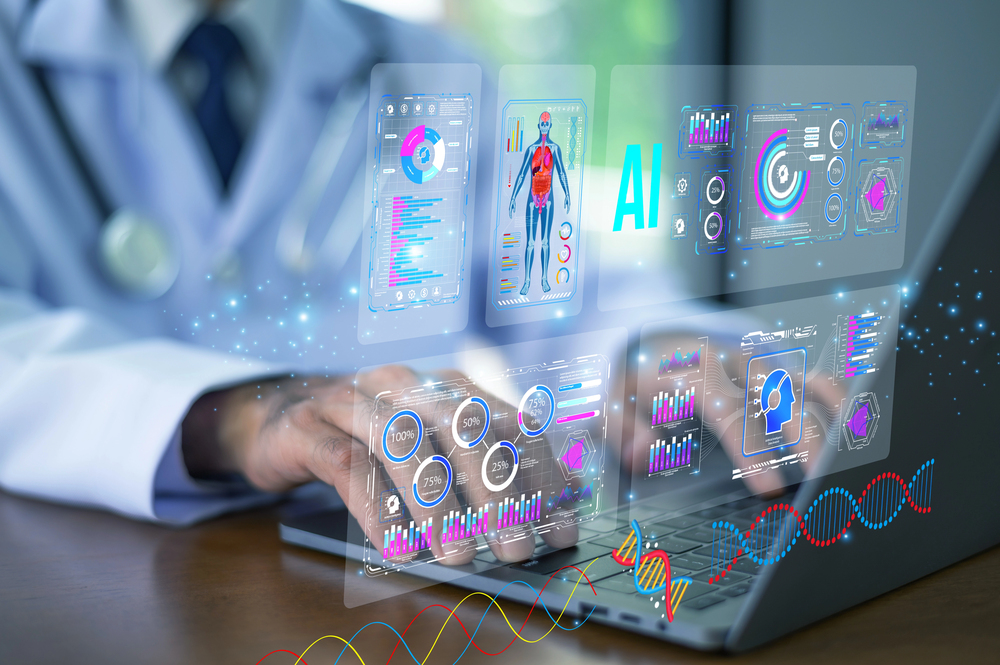
What used to be a paper trail is now a goldmine of insight. Every hospital visit, test result, appointment delay and billing code contributes to a massive flow of information. Health analytics steps in to organize that flood and make sense of it all.
But it’s more than just charts and stats. It’s the engine behind faster decisions, safer care and smarter policies. Predictive models, trend analysis, risk scoring; these tools help reduce errors, cut waste and improve patient outcomes. No magic wand required. Just clear, actionable data.
And the people turning that data into direction? They’re in high demand.
There’s a reason programs like an MS in health analytics are seeing a surge in enrollment. These degrees prepare professionals to speak the language of both data and healthcare. Not just analyzing spreadsheets but driving decisions with what they find. It’s a powerful mix – statistics, systems, ethics, real-world healthcare problems – all packed into one focused curriculum.
And many of these programs are online. That matters. Especially for people already working in clinical or administrative roles. No need to uproot a career or pause life. You can study on your own time, apply what you’re learning right away and graduate ready to move into a role that actually shifts the needle.
Not Just for Numbers People
There’s a common myth that you need to be a math wizard to work in health analytics. Not true.
What you do need is curiosity. A desire to find patterns and ask better questions. You’re not solving for x – you’re solving for outcomes. Lower readmission rates. Better medication adherence. Faster emergency room flow.
That’s why people from so many different backgrounds are stepping into this space. Nurses. Pharmacists. Lab techs. Public health grads. Even those with business or IT experience. The field is wide open, as long as you’re willing to learn and adapt.
And here’s the thing: this isn’t just heads-down, computer-only work. You’ll collaborate with clinical teams. Present insights to leadership. Translate findings for departments that need to act fast. It’s a role that connects the dots and brings clarity where there used to be confusion.
Why Now Is the Time
The demand for health analytics professionals isn’t just a blip. It’s part of a much larger shift.
Healthcare systems are under pressure to improve quality without raising costs. That means being more strategic. Smarter. More efficient. And that’s only possible when decisions are based on real evidence.
Analytics gives leaders a clearer picture of what’s happening inside their organizations, where resources are stretched too thin, where patients are falling through the cracks, where care isn’t meeting expectations.
And it’s not just hospitals. Insurers are using data to predict risk. Governments are tracking public health trends in real time. Tech companies are launching health platforms that rely on user behavior and biometric feedback. The field isn’t just growing; it’s branching out.
Careers in this space are taking off. And not in a narrow way. Titles vary, but roles often include:
- Clinical Data Analyst
- Population Health Manager
- Healthcare Consultant
- Data Quality Specialist
- Risk Adjustment Analyst
- Health Informatics Coordinator
There’s range, flexibility and purpose all rolled into one.

How to Start Building Skills That Matter
Want to move toward a future in health analytics? It’s doable. You don’t need to have all the answers before getting started. Just begin where you are.
Here are a few ways to take the first steps:
- Brush up on data basics – Excel, basic stats, maybe even some SQL or Python if you’re feeling ambitious
- Read up on healthcare systems – Understand how hospitals, clinics and insurers operate behind the scenes
- Explore case studies – See how data was used to solve real-world health problems
- Look into certificate programs – Short-term training options can give you a feel for the field
- Talk to professionals already in the space – Ask what tools they use and what surprised them when they started
- Consider a degree program – Especially one that’s flexible enough to fit your life
You don’t have to master it all right away. Just pick a starting point and keep moving forward.
Leadership Starts With Insight
What sets great healthcare leaders apart? It’s not just experience or credentials. It’s the ability to see the bigger picture and know how to act on it.
Health analytics is a gateway to that kind of thinking. It trains you to anticipate needs, spot inefficiencies and identify opportunities others miss. It teaches you how to question assumptions and back your recommendations with data that matters.
And over time? That mindset opens doors.
You become the person people turn to for clarity. The one who doesn’t just describe the problem but points to a solution backed by facts. That kind of influence doesn’t go unnoticed.

Looking Ahead
No one can predict the future of healthcare with certainty. But one thing is clear – data will be at the heart of it.
Whether it’s managing chronic disease in communities, developing better health tech or simply helping patients navigate their care more easily, analytics will play a central role.
And as the field grows, so do the opportunities. There’s space for creative thinkers, problem solvers, bridge-builders and yes – even people who once swore they’d never touch a spreadsheet.
So here’s a thought: what if the future of healthcare isn’t just in the hands of doctors and nurses, but also in the hands of those who know how to make sense of what the numbers are saying?
Because when ambition meets opportunity, that’s where real change begins.
Image Credit: depositphotos.com