
For decades, automotive marketing focused heavily on measurable performance. Horsepower figures, acceleration times, engine size, and handling dominated advertising campaigns and dealership conversations alike. Cars were often sold as engineering achievements first and lifestyle products second.
That balance has shifted considerably in recent years. Modern automotive brands increasingly market vehicles around experiences, identity, and emotional connection rather than purely technical specifications. Adventure, wellness, sustainability, flexibility, and family life now sit at the centre of many campaigns, reflecting broader changes in consumer priorities and driving culture.
The modern car buyer is not simply evaluating transport. Increasingly, they are evaluating how a vehicle fits into a particular version of life.
Cars Are Becoming Lifestyle Products
One reason for this shift is that automotive technology has become more standardised across much of the market. Many modern vehicles now offer comparable reliability, safety systems, infotainment technology, and fuel efficiency. As functional differences narrow, emotional positioning becomes more important.
Automakers are responding by focusing less on what a vehicle does mechanically and more on what it represents culturally. SUVs are marketed around outdoor adventure and freedom. Electric vehicles are associated with sustainability and modernity. Premium interiors emphasise wellness, relaxation, and digital comfort.
The vehicle itself becomes part of a broader lifestyle narrative.
This approach mirrors changes seen in other industries where consumers increasingly buy into identity and experience rather than specifications alone. In the automotive sector, that means selling aspiration in a more subtle and emotionally driven way than traditional performance advertising.
Family and Wellness Messaging Is Growing
Family-oriented marketing has also evolved. Historically, practicality-focused vehicles were often presented in purely functional terms: boot space, fuel economy, and seating capacity. Modern campaigns are more emotionally focused.
Manufacturers now frame family vehicles around connection, comfort, and shared experiences. Advertising frequently highlights road trips, quiet cabin environments, panoramic interiors, and technology designed to reduce stress during travel.
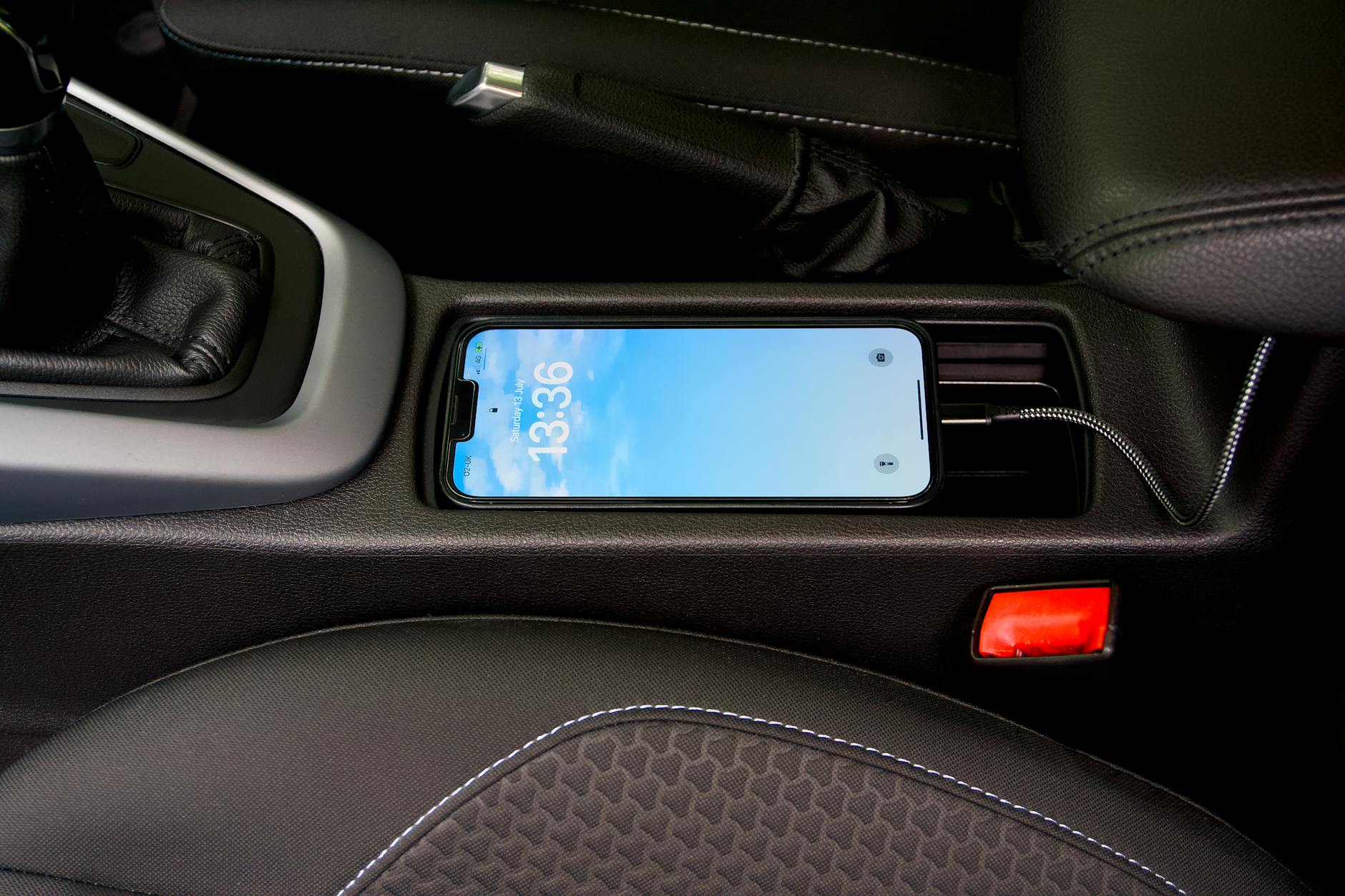
This reflects wider consumer interest in wellness and quality of life. Features such as ambient lighting, advanced climate control, ergonomic seating, and noise reduction are increasingly marketed as emotional benefits rather than luxury extras.
Electric vehicles have accelerated this trend further. Their quieter cabins and smoother driving dynamics naturally support messaging centred around calmness and comfort rather than aggression or speed.
Sustainability Has Become Part of Brand Identity
Environmental awareness has become another major influence on automotive branding. Sustainability is no longer treated solely as a regulatory issue; it has become central to how many manufacturers position themselves culturally.
This is especially visible in the electric vehicle market, where brands increasingly focus on ethical materials, minimalist design, renewable energy integration, and long-term environmental responsibility.
Younger buyers in particular often expect brands to communicate values alongside products. As a result, automakers are increasingly presenting themselves as technology and sustainability companies rather than purely car manufacturers.
This does not mean performance has disappeared entirely. Instead, performance is often reframed within a wider narrative of efficiency, innovation, and intelligent design.
Social Media Has Changed How Cars Are Presented
The rise of social media platforms has also transformed automotive branding. Cars are now consumed visually and culturally in ways that go beyond traditional motoring journalism.
Platforms like Instagram, TikTok, and YouTube reward aesthetics, storytelling, and lifestyle presentation. Automotive brands have adapted by producing content designed to fit naturally into travel, design, wellness, and technology-focused feeds.
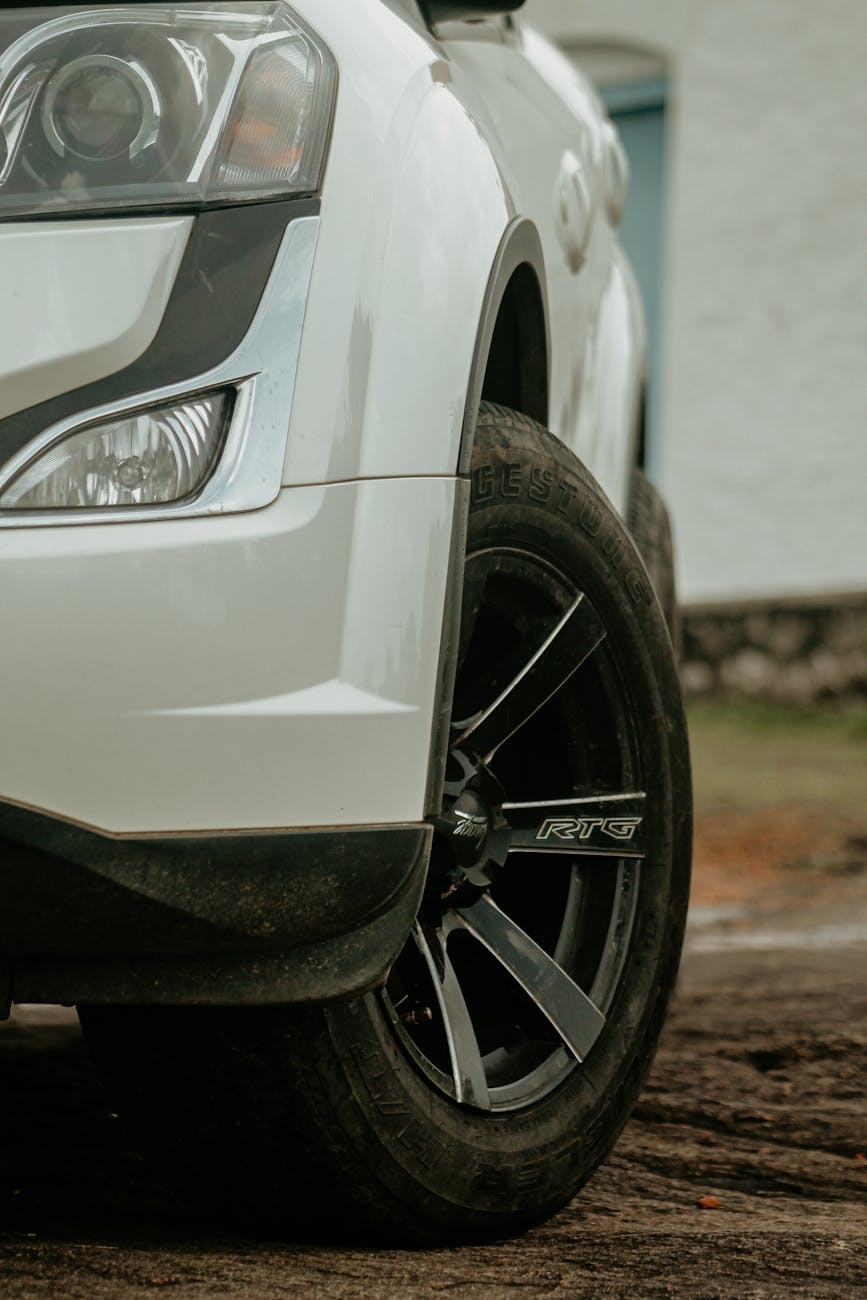
Vehicles are frequently shown in aspirational settings: coastal roads, mountain landscapes, minimalist urban environments, or family-oriented travel scenarios. The emphasis is less on technical detail and more on emotional atmosphere.
This has influenced consumer behaviour as well. Buyers increasingly consider how vehicles reflect personal identity online and offline. Visual styling, colour choices, and subtle forms of customisation now play a larger role in ownership culture than they once did.
For drivers interested in expressing individuality through appearance rather than extensive modification, brands like Number 1 Plates exist within a wider movement towards understated vehicle personalisation and identity-focused ownership.
The Rise of Experience-Led Automotive Design
The growing focus on lifestyle has also influenced vehicle design itself. Modern interiors increasingly resemble technology lounges rather than traditional cockpits.
Large digital displays, minimalist controls, wireless connectivity, and configurable lighting systems are designed to create a seamless experience rather than simply support driving functions. In many cases, manufacturers now speak about “user experience” in the same way technology companies do.
This shift reflects a broader transition within the automotive industry. Cars are becoming connected environments integrated into digital lifestyles rather than isolated mechanical products.
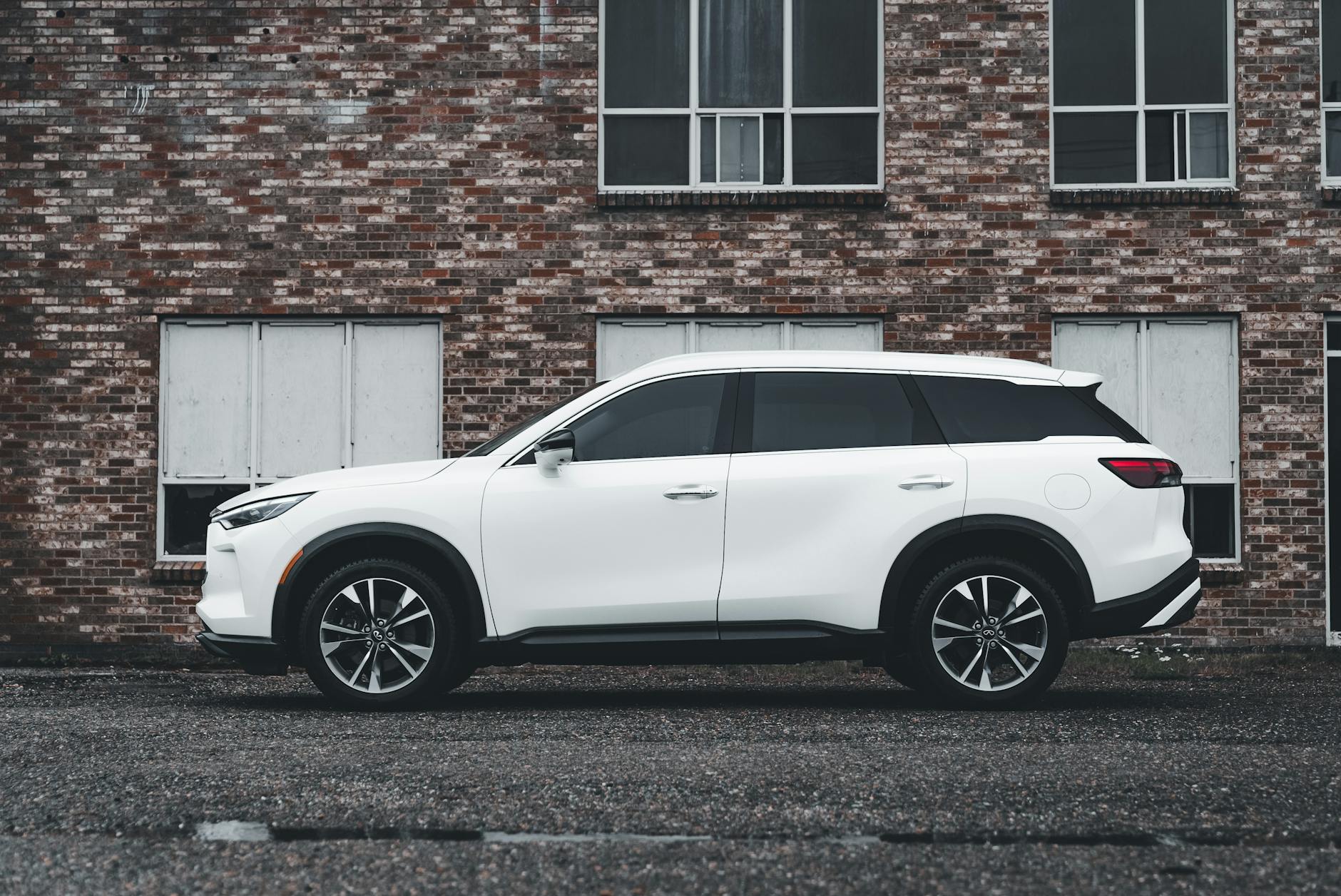
The success of campervans, adventure-oriented SUVs, and flexible crossover vehicles also shows how buyers increasingly prioritise adaptability. Vehicles are expected to support work, leisure, travel, and family life simultaneously.
As a result, versatility has become part of automotive aspiration.
Brand Loyalty Is Becoming More Emotional
Lifestyle-driven marketing also changes the nature of brand loyalty. Consumers are less likely to remain attached to manufacturers purely because of engineering heritage or mechanical performance.
Instead, loyalty increasingly depends on whether a brand aligns with broader personal values and aspirations. Buyers may choose certain vehicles because they associate them with sustainability, adventure, simplicity, technological innovation, or modern family living.
This creates new challenges for traditional automotive brands, particularly those historically built around performance culture alone. Many manufacturers are now attempting to reposition themselves without losing their existing identity.
Some have embraced electrification and digital ecosystems. Others have expanded into lifestyle merchandise, travel partnerships, and experience-focused marketing campaigns designed to create stronger emotional connections with consumers.
Conclusion
The automotive industry is moving beyond selling cars solely through performance statistics and engineering credentials. Modern buyers increasingly view vehicles as extensions of lifestyle, identity, and personal values.
In response, automotive brands are adapting their marketing, design, and product strategies around experiences such as wellness, sustainability, adventure, and family connection. Social media and digital culture have accelerated this shift, encouraging manufacturers to think more like lifestyle brands than traditional car companies.
As consumer expectations continue to evolve, the future of automotive marketing may depend less on technical superiority and more on how effectively vehicles fit into the way people want to live.
