
What happens when health care stops feeling personal? For many patients today, wellness has started to sound like a slogan rather than a solution. They sit in waiting rooms, fill out forms, and leave with questions instead of clarity. In a time when stress is high and trust in institutions feels shaky, people want more than prescriptions. They want to be seen, heard, and helped—by someone who actually knows their name.
Enter the family nurse practitioner. This isn’t just another title in the alphabet soup of healthcare credentials. It’s a role built around connection. As more Americans turn to nurse practitioners for care, what they often find is something they didn’t realize they were missing: a provider who takes their time.
Family nurse practitioners, or FNPs, have become a central part of primary care in both rural towns and urban centers. They are trained to provide diagnosis, treatment, and follow-up care, but with an added layer of continuity and empathy. The growth in their numbers isn’t random. It’s a response to gaps in the current healthcare system—gaps that patients feel when care is rushed or reactive.
In this blog, we will share how personalized care from family nurse practitioners is reshaping what wellness actually looks like, how their approach differs from traditional models, and why their role matters more now than ever.
Personalized Care Is More Than Just Nice—it’s Needed
Healthcare isn’t a one-size-fits-all experience. What works for one patient may be completely wrong for another. Yet, that’s exactly how the system has operated for years. Patients get protocols instead of conversations. Treatments come before questions. This has left many feeling like numbers, not people.
That’s why the family nurse practitioner role is so important. FNPs aren’t just filling in for doctors. They’re redefining how care is delivered. Their training emphasizes holistic health, continuity of care, and long-term patient relationships. Instead of rushing through appointments, they’re more likely to ask about sleep, stress, and what’s going on at home. These details matter because they often shape the real story behind a person’s symptoms.
This approach has become more relevant as chronic illness continues to rise. Conditions like diabetes, hypertension, and depression aren’t solved in a single visit. They need consistent support and tailored strategies. FNPs help patients make sense of their diagnoses and understand what daily habits might make or break progress.
Unlike traditional providers who may see a patient once a year for 15 minutes, FNPs often become the go-to health contact for families. That ongoing connection builds trust. It also helps patients stay engaged with their own wellness plans, which can lead to better results.
When Wellness Gets Real
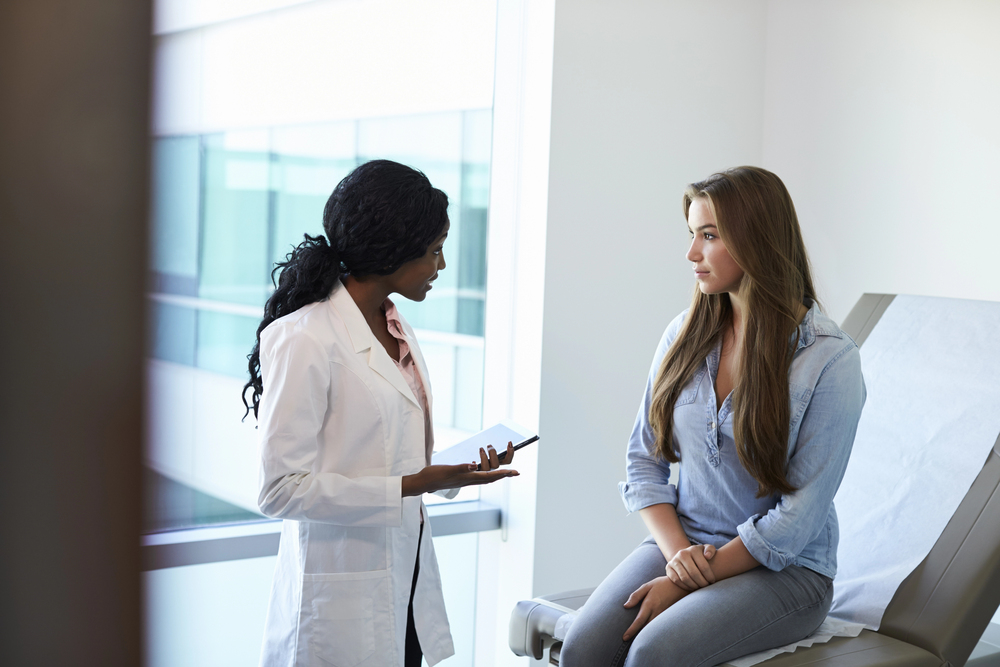
Take a working parent who’s juggling two jobs and managing their child’s asthma. A typical visit might focus only on medication. But a family nurse practitioner is likely to ask about school, housing conditions, or even food access—factors that all influence health. If there’s mold in the home or the child’s inhaler keeps getting lost at daycare, those issues get addressed.
This type of care blends clinical expertise with lived reality. It’s wellness that works because it considers what people are actually going through.
Another example is how FNPs help aging adults navigate complex medication routines. Instead of handing out pillboxes and printed schedules, they walk patients through what each prescription does, discuss alternatives when side effects become a problem, and follow up to adjust plans as needed. This active involvement helps reduce hospitalizations and improves quality of life.
Current Trends That Make FNPs Even More Essential
Healthcare has been under pressure for years, but recent events have pushed it to a breaking point. The pandemic exposed shortages, burnout, and weak points in the system. One silver lining is that it also highlighted who steps up when things get tough. In many clinics and community settings, that person is an FNP.
Their numbers are growing quickly. According to the U.S. Bureau of Labor Statistics, nurse practitioner employment is projected to increase by 45% by 2032. That’s not just growth—it’s a movement. Patients are actively choosing nurse practitioners because of how they listen and follow through.
Another major shift is the emphasis on preventive care. As healthcare moves away from crisis-based treatment, FNPs are leading the charge in keeping patients healthy before problems arise. Whether it’s routine screenings, lifestyle coaching, or immunizations, they’re helping to create long-term strategies instead of short-term fixes.
Technology is also changing the game. Telehealth has made it easier for FNPs to reach patients who live far from clinics or have limited mobility. And because they often serve diverse populations, they’re adapting digital tools to deliver care that stays personal even through a screen.
The Future of Wellness Is Relationship-Based
What sets FNPs apart isn’t just what they do, but how they do it. Their training combines science and compassion in equal parts. While medical doctors focus on diagnosis and treatment, FNPs often build their practices around prevention, education, and behavior change.
That approach aligns perfectly with the challenges of today. Chronic illness, mental health struggles, and lifestyle-related conditions all require more than quick fixes. They need consistent support, personalized plans, and a provider who asks the right questions.
In underserved areas, FNPs often serve as the only accessible care providers. They fill the gap in places where doctors are scarce and hospitals are hours away. Their ability to manage a wide range of issues—from pediatrics to geriatrics—makes them a cornerstone of community care.
But even in well-resourced areas, their impact is clear. Patients who see FNPs report higher satisfaction and often better outcomes. That’s not a coincidence. It’s the result of building real relationships over time.
A Career That Supports Wellness on Every Level
For those drawn to meaningful, patient-centered care, becoming a family nurse practitioner offers both purpose and impact. It’s a career that allows nurses to expand their scope, build long-term relationships with patients, and influence the way care is delivered.
FNPs aren’t just skilled in diagnosing or prescribing—they’re trained to lead with insight and compassion. They bridge the gap between medical expertise and everyday life, helping people understand their health in ways that actually stick. From managing chronic conditions to guiding preventive care, their work is grounded in real connection.
That’s exactly what many patients are searching for today. In a healthcare system that can feel rushed and distant, family nurse practitioners offer time, trust, and attention. They remind people that wellness isn’t just clinical—it’s personal. And that makes all the difference.
Image Credit: depositphotos.com