

Short winter days and traditional architecture often leave UK homes with areas that feel dim, enclosed and underused. Rooms with limited glazing or restricted light pathways tend to shrink visually, affecting how families move and spend time in their living spaces. With the right structural and interior adjustments, these darker rooms regain brightness, clarity, warmth and a sense of openness that supports everyday life.
Why Natural Light Matters in Family Homes
Natural light plays an essential role in daily comfort and wellbeing. Daylight helps regulate internal body clocks, supports better mood and strengthens family routines. In homes where light is unevenly distributed, people naturally gather in the brightest rooms. Underlit areas often become circulation spaces or storage zones rather than places for shared activity. Many of the recognised benefits of natural light for wellbeing highlight how closely daylight exposure is tied to healthier family patterns and a more balanced home environment.
Brighter rooms also make it easier to connect everyday indoor life with small outdoor habits, such as tending a garden or using sunny window sills for growing vegetable seeds during the colder months.
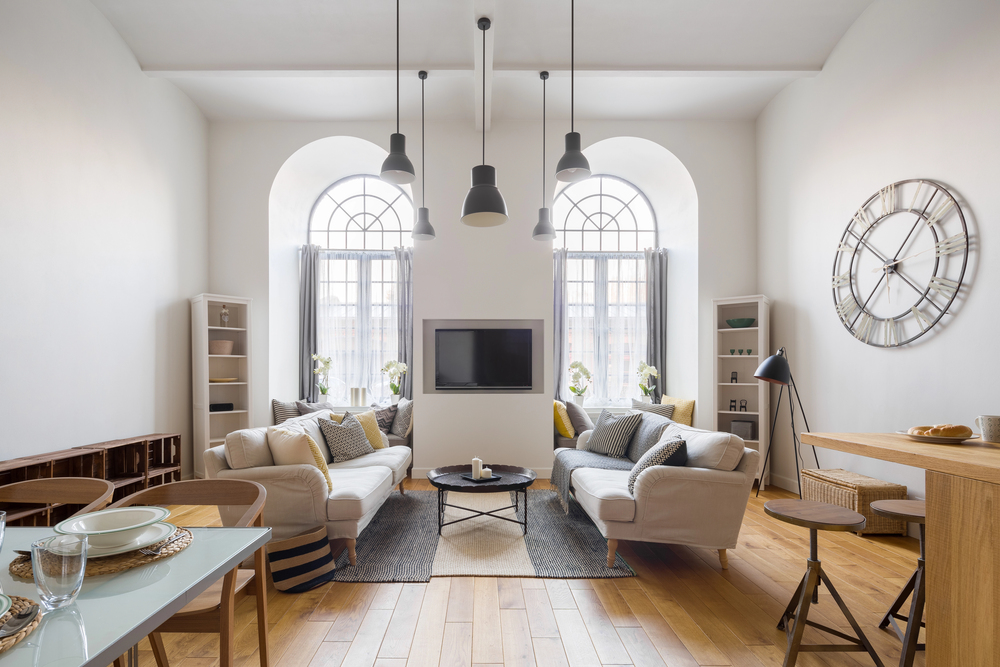
For children, well-lit environments support concentration during homework and creative play. A brighter room can also reduce visual fatigue and help maintain focus. Winter months amplify these challenges, especially in northern regions of the UK where daylight hours drop significantly between December and February. Architectural layouts with small windows or deep floor plans intensify the sense of gloom.
In homes where daylight is limited, artificial lighting often stays on from early afternoon, even on brighter days. This shifts the atmosphere from fresh to flat and increases energy use over time. Improving natural light reduces reliance on overhead bulbs and helps family spaces feel more alive throughout the day.
Identifying Problem Areas in Your Home
Many UK homes have at least one space that feels consistently dim. North-facing rooms receive minimal direct sun throughout the year. Internal hallways, bathrooms and utility rooms often lack windows altogether. Even living areas with reasonable glazing can feel muted on winter afternoons.
A practical way to assess natural light is to observe each room at several points in the day. Comparing morning, midday and late-afternoon light levels reveals where illumination falls off most sharply. Families often adapt unconsciously to these conditions, clustering in brighter rooms while avoiding darker ones except when necessary. Seasonal changes reinforce this pattern, with some rooms feeling bright in summer but noticeably dull from autumn through early spring, especially where north-facing room lighting challenges are already present.
Room-by-Room Considerations
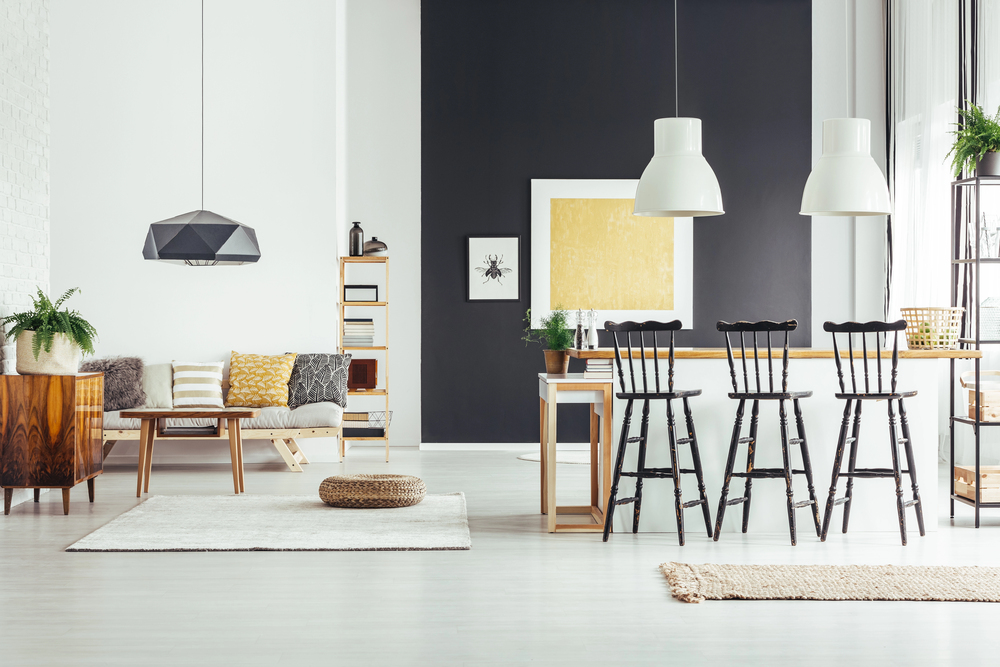
Kitchens need steady, layered light to remain functional and inviting. Natural light across worktops reduces shadows during food preparation and helps create a warm setting for family meals. Living rooms and play areas benefit from even illumination throughout the day, supporting everything from reading to playtime.
Home offices and study spaces require consistent, glare-free daylight to reduce strain during longer periods of concentration. These areas work best when lighting remains stable throughout the day, aligning with many of the principles behind best lighting for home offices and other focused work environments. North-facing rooms can offer stable light for these tasks, though supplementary illumination may be needed in winter. Hallways and landings also influence how a home feels, and dark transitional spaces can appear unwelcoming and diminish the overall flow of a property.
Architectural Solutions for Bringing Light Inside
When natural light is limited, architectural features provide the most impactful improvement. Traditional windows remain essential but are restricted by available wall space. Skylights offer light from above but create a simpler visual profile.
Roof lanterns introduce daylight more dramatically. Their raised structure captures overhead light from multiple angles and channels it deeper into a room, creating a brighter and more spacious feel. Victorian terraces, Edwardian houses and modern extensions all benefit from this vertical influx of daylight, particularly in middle rooms or areas with limited external walls.
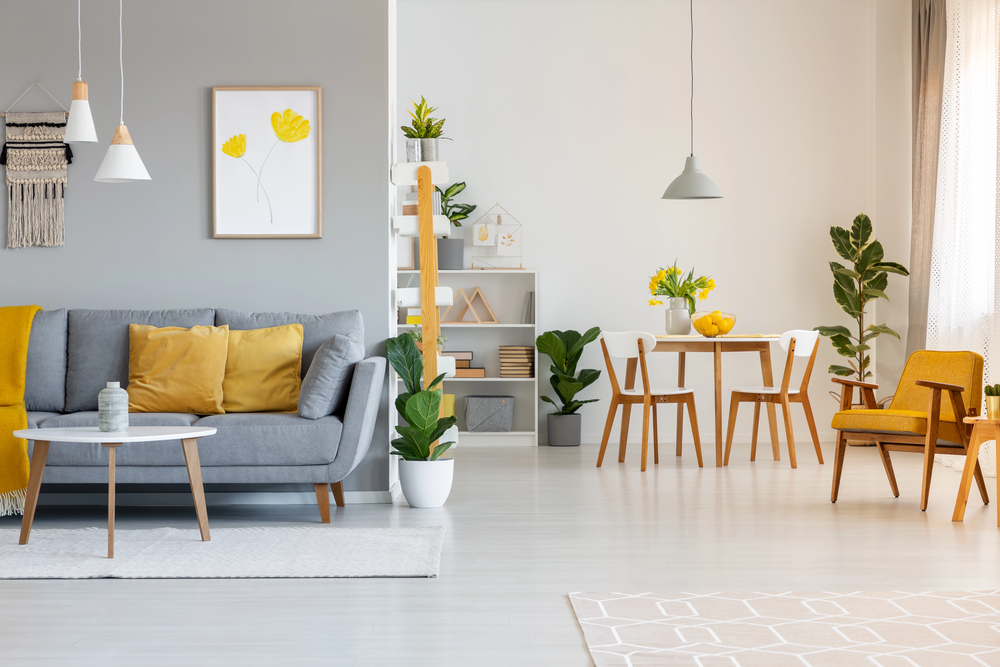
Positioning new openings in line with how a family moves through the house increases their impact. Glazing placed above dining tables, kitchen islands or central seating areas ensures that the brightest spots match the places where people spend the most time. Aligning roof structures with existing window lines also helps light travel more evenly through open-plan spaces.
Daylight Systems roof lanterns deliver daylight from above in a way that helps it reach further into interior spaces than standard windows allow. Before installation, homeowners should confirm whether planning permission is needed. Most properties fall under permitted development, though listed buildings may require specific approval.
Thermal performance also matters when introducing overhead glazing. Modern roof lantern designs use high-performance glass and insulated frames to limit heat loss while still delivering generous daylight. This balance supports year-round comfort, so brighter rooms stay pleasant in winter as well as during warmer months.
Maximising the Impact of New Light Sources
Interior design choices shape how effectively natural light spreads once it enters a room. Reflective surfaces help sunlight reach deeper areas, while mirrors placed opposite windows increase brightness without adding fixtures. Furniture arrangement also plays a role. Tall pieces should sit where they do not obstruct light pathways, and lower profiles help illumination move freely across a room.
Window treatments control privacy without limiting daylight. Sheer fabrics soften glare while maintaining openness. Top-down blinds allow sunlight through upper sections of glazing while preserving discretion at eye level. Seasonal adjustments are essential. Summer may require light diffusion to keep rooms cool, whereas winter benefits from exposed windows and reflective finishes that amplify lower light levels.
Colour and Material Choices
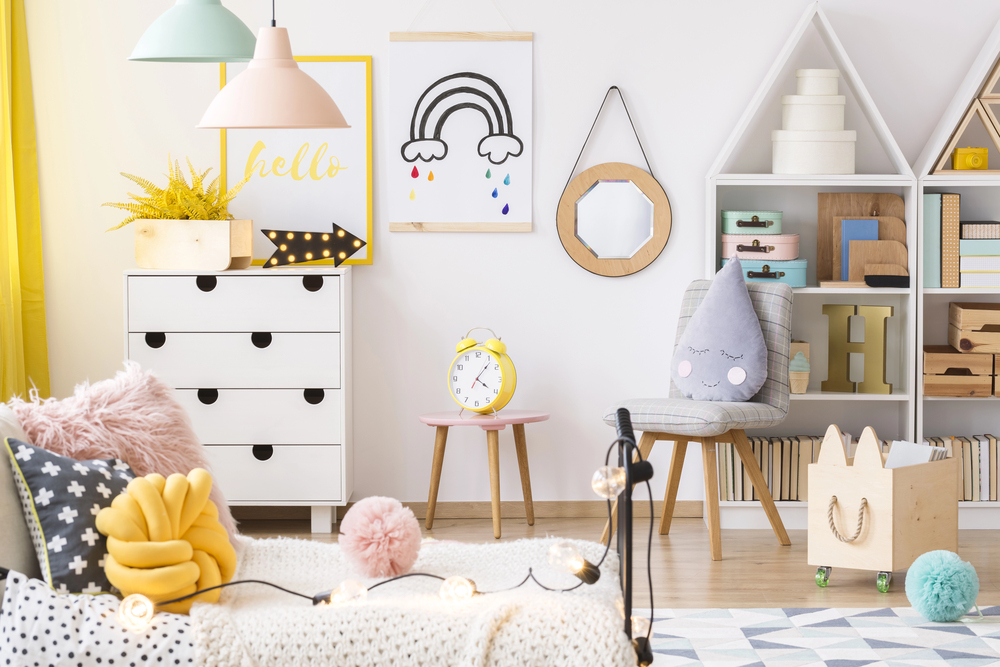
- Paint colours influence perceived brightness. Soft whites with warm undertones reflect more light and reduce shadowed areas. White trims and mouldings provide crisp edges that help daylight travel across walls. Pale pastels and muted warm tones create a balanced atmosphere without appearing stark. These principles become especially helpful when adapting schemes for north-facing room colour choices, where cooler light can make some shades appear muted.
- Materials also shape light distribution. Glass and acrylic furnishings minimise shadows by allowing light to pass through. Polished stone surfaces add a subtle reflective quality that brightens the surrounding area. Light-toned flooring reflects more brightness upward, and semi-gloss finishes offer a practical blend of reflection and durability for busy family homes.
- Textiles complete the effect. Natural fabrics in lighter tones keep rooms visually open while maintaining comfort. Heavier drapes can be reserved for colder, north-facing rooms where direct glare is unlikely.
Brighter family spaces begin with thoughtful choices that welcome more natural light into everyday routines. Small structural upgrades, paired with intentional colour and material decisions, turn dim rooms into warm, uplifting areas where families spend more time together. Improving light pathways supports wellbeing, comfort and the way a home feels throughout the year. With the right adjustments, even the darkest rooms gain clarity and purpose.
Image Credit: depositphotos.com