
A washing machine is one of the hardest-working appliances in the home. It fills with water, agitates clothing, drains large volumes of wastewater, and repeats the process several times during a single cycle. Because it is used so frequently, it can place more strain on household plumbing than many homeowners realize.
When everything is working properly, the plumbing behind a washing machine is easy to forget about. Problems usually become noticeable only after water appears on the floor, the drain begins overflowing, the machine takes longer to empty, or unusual noises start coming from the pipes.
Many washing machine problems are not actually caused by the appliance itself. They can originate in supply lines, drain pipes, valves, hoses, or the larger plumbing system connected to the laundry area.
Understanding what to watch for can help homeowners catch minor issues before they turn into expensive water damage.
Washing Machines Use a Large Amount of Water Quickly
Unlike a sink or shower, which releases water gradually, a washing machine can discharge a considerable amount of wastewater in a short period of time.
During the drain cycle, the machine’s pump forces water through the drain hose and into the home’s plumbing system. That sudden flow requires the drainpipe to handle water quickly and efficiently.
If the drain is partially blocked, undersized, poorly installed, or already struggling with buildup, the washing machine may expose the problem.
A drain that seems perfectly normal during everyday use can suddenly back up when the washing machine empties.
This is why laundry-related drainage problems sometimes appear unexpectedly even when homeowners have not noticed issues elsewhere in the house.
A Clogged Washing Machine Drain Can Cause Overflows
One of the most common washing machine plumbing problems is an overflowing drain.
The drain hose usually empties into a vertical pipe called a standpipe. The wastewater then travels through the home’s drainage system.
If the standpipe or connected drain becomes restricted, water may rise faster than the pipe can carry it away.
Homeowners may notice water spilling from the top of the standpipe during the drain cycle.
Common causes of washing machine drain clogs include:
- lint
- hair
- detergent residue
- fabric fibres
- dirt from clothing
- soap buildup
- debris inside older drain lines
Over time, these materials can accumulate inside the pipe and gradually reduce its capacity.
At first, the drain may simply sound louder than usual. Later, water may begin rising inside the standpipe. Eventually, the pipe may overflow onto the laundry-room floor.
Ignoring the problem can lead to damaged flooring, drywall, baseboards, or nearby cabinetry.
Slow Drains Elsewhere May Be Connected
A washing machine problem does not always stay confined to the laundry room.
Because household drains connect to larger drainage lines, a restriction further downstream may affect several fixtures.
For example, homeowners may notice that a nearby sink gurgles when the washing machine drains. A floor drain may bubble. A toilet may make unusual noises. Water may even appear in another drain.
These symptoms can indicate that wastewater is struggling to move freely through the plumbing system.
If multiple fixtures react when the washing machine empties, the problem may be deeper in the drainage system than the washing machine connection itself.
This is especially important because the washing machine’s powerful discharge can expose a developing blockage before other fixtures begin backing up.
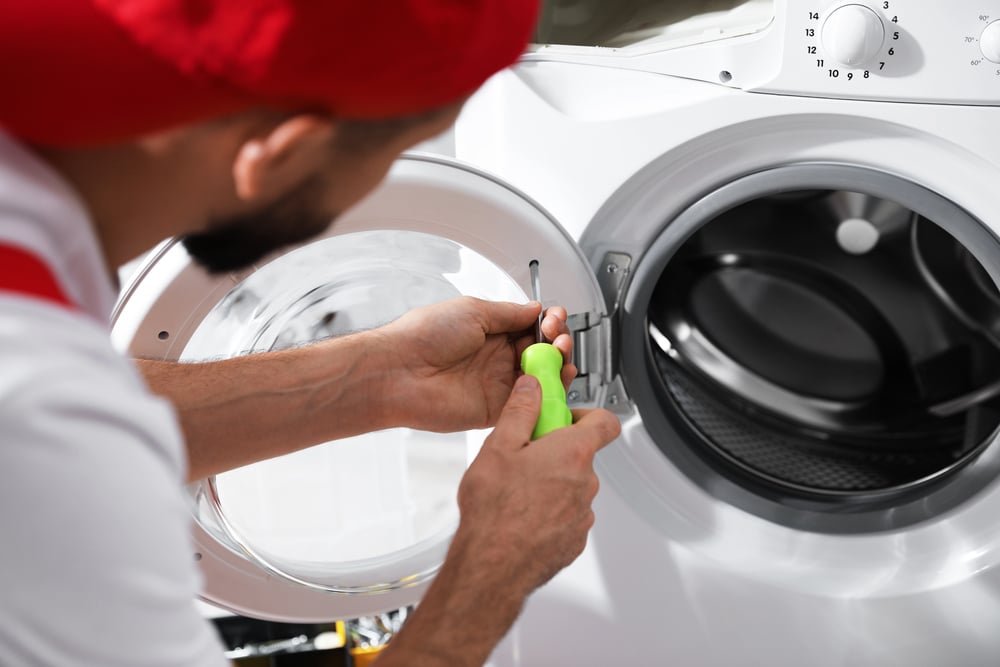
Washing Machine Supply Hoses Can Leak
Drain problems are only one concern.
A washing machine also requires hot and cold water supply connections. These connections usually use flexible hoses running from shutoff valves to the appliance.
Although these hoses appear simple, they are under water pressure whenever the valves are open.
Over time, hoses can deteriorate.
Possible problems include:
- cracking
- bulging
- corrosion around fittings
- loose connections
- worn rubber
- damaged internal reinforcement
A small leak may begin as a slow drip behind the appliance, where it can remain unnoticed for weeks.
In more serious cases, a hose can fail suddenly and release a significant amount of water.
Because washing machines are often installed close to walls, homeowners may not notice the damage until flooring begins swelling, drywall becomes stained, or mould develops.
Inspecting supply hoses occasionally can help identify visible wear before failure occurs.
Loose Connections Can Cause Hidden Water Damage
Not every washing machine leak comes from a damaged hose.
Sometimes the connection itself is the problem.
If a hose fitting becomes loose, water can slowly escape around the connection. The leak may only occur while the machine is filling, making it difficult to detect.
A homeowner may run several laundry cycles before noticing moisture behind the machine.
Even small leaks deserve attention.
Water entering wall cavities or flooring materials can cause damage that is far more expensive than repairing the original plumbing problem.
Signs of a hidden leak may include:
- damp smells
- discoloured walls
- peeling paint
- warped flooring
- soft drywall
- unexplained moisture near the machine
Moving the appliance carefully and inspecting the area behind it occasionally can help reveal problems that would otherwise remain hidden.
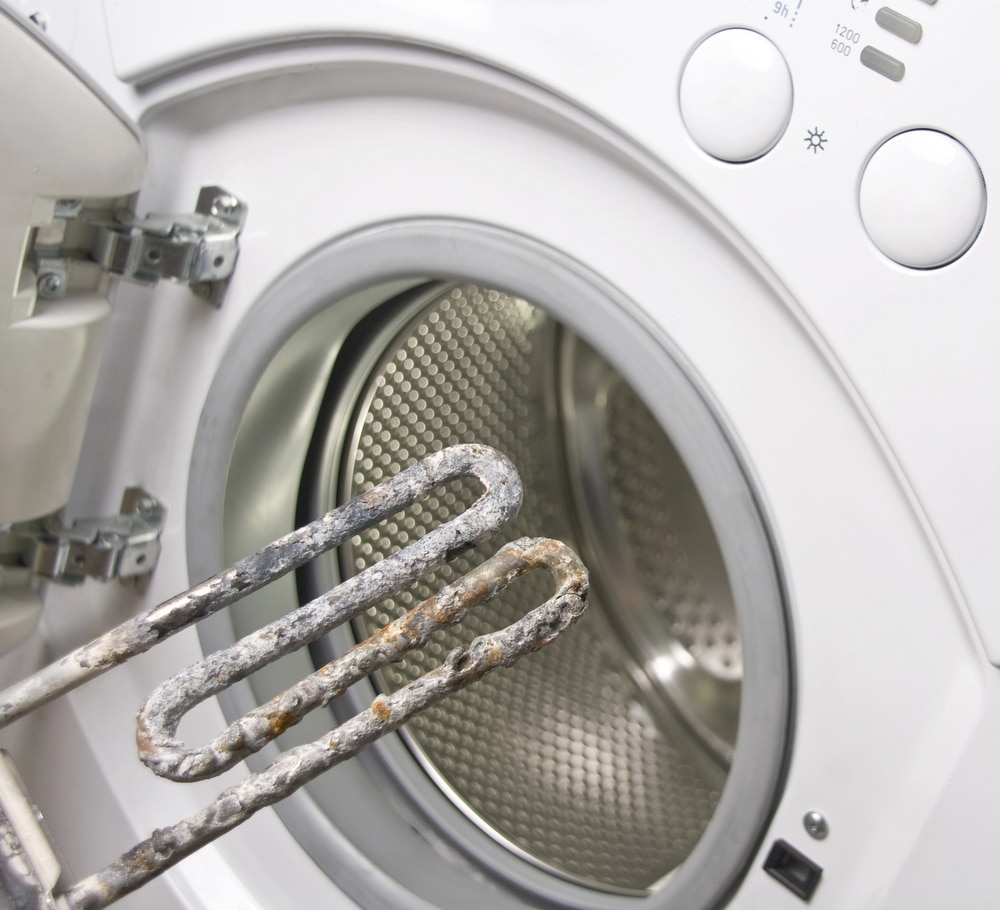
Water Hammer Can Occur When Valves Close Quickly
Washing machines control water using automatic valves that open and close rapidly.
When a valve suddenly stops flowing water, the moving water inside the pipe can create a pressure shock.
This phenomenon is commonly known as water hammer.
Homeowners may hear a loud banging, knocking, or thumping sound inside the wall when the washing machine begins or stops filling.
Occasional pipe noise may seem harmless, but repeated pressure shocks can place additional stress on plumbing connections over time.
Loose pipes may also move slightly when water pressure changes, making the noise more noticeable.
If banging occurs consistently during laundry cycles, it may be worth investigating rather than simply accepting it as normal appliance noise.
Too Much Detergent Can Contribute to Drain Problems
Many homeowners assume more detergent means cleaner clothes, but excessive detergent can create problems for both the washing machine and the plumbing system.
Detergent residue can combine with lint, hair, oils, and dirt discharged from clothing.
Over time, this material may contribute to buildup inside drain lines.
The problem can become more noticeable in households that run several loads of laundry each week.
Using the correct detergent quantity for the machine and load size can reduce unnecessary residue entering the drainage system.
High-efficiency machines are particularly designed to use less water and usually require detergents formulated for lower-water washing cycles.
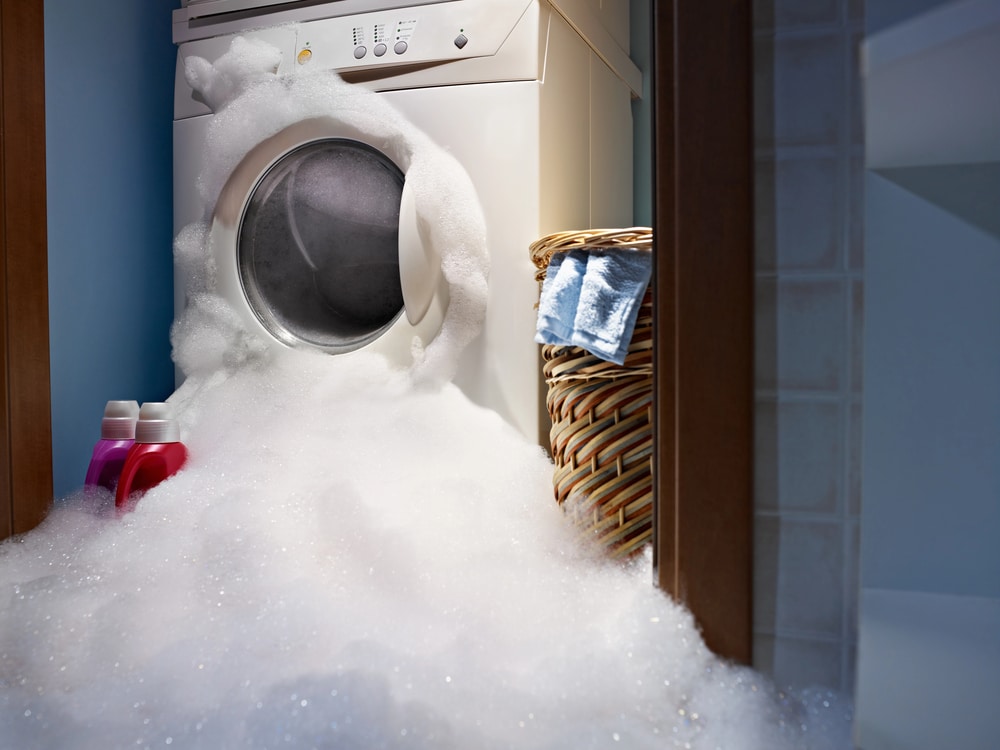
The Drain Hose Can Be Installed Incorrectly
Sometimes the washing machine itself is working perfectly, but the drain hose has been installed improperly.
If the hose is pushed too far into the standpipe, positioned incorrectly, or connected without adequate airflow, drainage problems can occur.
Improper positioning may also contribute to siphoning, where water flows out of the washing machine when it should remain inside.
The drain hose should be securely positioned but should not completely seal the standpipe opening.
Proper installation allows wastewater to drain while still allowing air into the plumbing system.
If a newly installed washing machine begins experiencing drainage problems immediately, checking the drain hose setup may be one of the first steps.
Older Plumbing May Struggle With Modern Washing Machines
Modern washing machines can behave differently from appliances installed decades ago.
Some newer machines have powerful pumps capable of releasing wastewater quickly.
Older drainage systems may not always handle that flow as effectively, particularly if pipes have accumulated years of buildup.
Older plumbing may also contain narrower drain lines, aging fittings, corrosion, or materials that have deteriorated over time.
A washing machine upgrade can therefore reveal problems that were already developing inside the plumbing system.
The new appliance may not actually be causing the issue. It may simply be exposing an existing limitation.
Laundry Rooms on Upper Floors Require Extra Attention
Many newer homes place laundry rooms on an upper floor near bedrooms.
The convenience is obvious, but the location increases the potential consequences of leaks.
A small plumbing failure on the ground floor may damage flooring. The same failure upstairs can affect ceilings, insulation, electrical components, walls, and rooms below.
Homeowners with upstairs washing machines should pay particular attention to supply hoses, drain connections, and shutoff valves.
A washing machine drain pan may also provide an additional layer of protection against minor leaks, although it cannot replace proper plumbing maintenance.
Shutoff Valves Should Remain Accessible
Every washing machine should have accessible water shutoff valves.
These valves allow the water supply to be stopped if a hose leaks or the appliance needs service.
However, valves that remain untouched for many years can become difficult to operate.
Mineral deposits, corrosion, and internal wear may prevent them from closing properly when they are finally needed.
Homeowners should know where the valves are located and ensure they can be reached without moving heavy furniture or stored items.
In an emergency, being able to shut off the water quickly can significantly reduce the amount of damage.
Warning Signs You Should Not Ignore
Washing machine plumbing problems often give early warnings.
Homeowners should pay attention to symptoms such as:
- water around the washing machine
- overflowing standpipes
- slow drainage
- gurgling sinks or floor drains
- sewage-like smells
- banging pipes
- damp walls
- unusual moisture behind the appliance
- drain backups during laundry cycles
- corroded supply connections
One isolated symptom does not always indicate a serious plumbing problem, but recurring issues should be investigated.
A drain that overflows repeatedly, for example, is unlikely to correct itself.
When Professional Help May Be Necessary
Simple issues such as checking a drain hose or tightening an accessible connection may be straightforward.
However, recurring drainage problems, hidden leaks, deteriorated valves, pipe noise, or backups affecting several fixtures can point to deeper plumbing issues.
In those situations, plumbing services for homeowners can help determine whether the problem originates with the washing machine connection, the drainage system, the water supply lines, or another part of the home’s plumbing.
Professional diagnosis can be particularly useful when the visible symptoms do not clearly identify the source.
A washing machine may appear to be leaking when the actual problem is a nearby drain. Similarly, an overflowing standpipe may be caused by a blockage located much farther along the drainage system.
Finding the real cause is important before repairs are attempted.
Preventive Maintenance Can Reduce Future Problems
Homeowners do not need to wait for a flooded laundry room before paying attention to washing machine plumbing.
A few basic habits can reduce risk.
Inspect hoses and fittings periodically. Look behind the machine for signs of moisture. Pay attention to unusual drain noises. Avoid using excessive detergent. Keep the area around shutoff valves accessible.
It is also useful to notice how quickly the standpipe drains during normal operation.
Changes are often gradual.
A drain that handled wastewater quietly for years may begin gurgling before it eventually overflows. A hose connection may develop slight corrosion before it begins leaking.
Recognizing these changes early gives homeowners an opportunity to address problems before significant damage occurs.
Final Thoughts
Washing machines are connected to several important parts of a home’s plumbing system, including water supply lines, shutoff valves, hoses, drains, and larger wastewater pipes.
That means a problem that appears to involve the appliance may actually be a plumbing issue.
Clogged drains, deteriorated hoses, loose fittings, water hammer, improper drain connections, and aging pipes can all become noticeable during laundry cycles.
The key is paying attention to early warning signs.
Water around the machine, slow drainage, unusual noises, overflowing standpipes, or activity in nearby drains should not simply be ignored.
A washing machine may be designed to handle dirty clothes, but the plumbing behind it has to handle everything the machine sends its way. Keeping those connections in good condition can help prevent unexpected leaks, backups, and costly water damage.
Image Credit: depositphotos.com