
A busy family can put a surprising amount of pressure on a home’s plumbing. Showers happen one after another, the washing machine seems to run constantly, toilets get flushed throughout the day, and the kitchen sink handles everything from breakfast dishes to the aftermath of family dinners.
When several people share the same bathrooms, kitchen, and laundry facilities, even small plumbing inconveniences can quickly become frustrating. A slow drain that seems minor in a one-person household can become a significant problem when four or five people need to use the same bathroom every morning.
Making your plumbing more family-friendly doesn’t necessarily require a major renovation. Many useful improvements are relatively simple and focus on safety, convenience, efficiency, and preventing everyday problems.
Here are some practical plumbing upgrades and habits that can make life easier in a busy household.
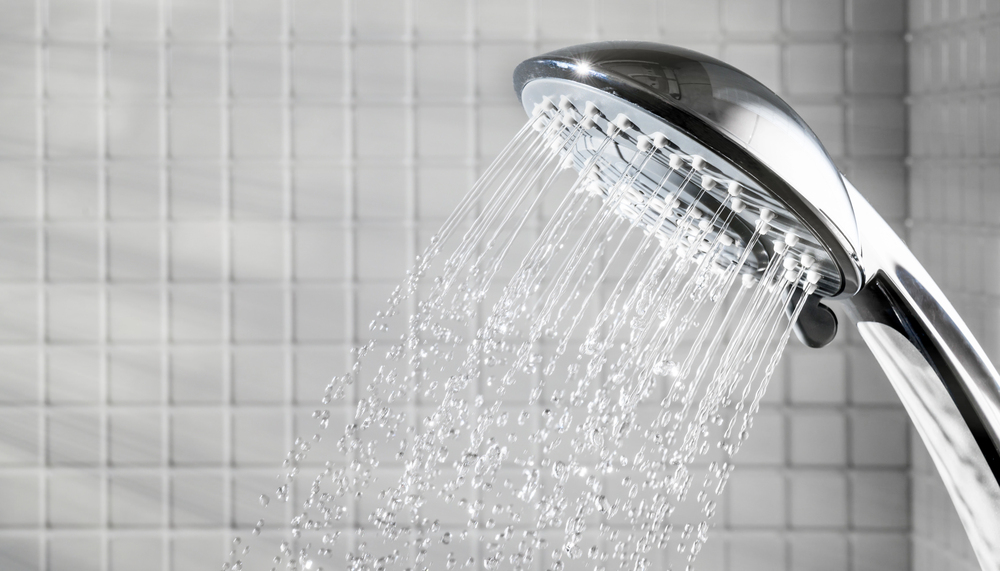
Install Pressure-Balancing or Thermostatic Shower Valves
Have you ever been enjoying a comfortable shower when somebody flushes a toilet and suddenly the water temperature changes?
This can happen when different fixtures compete for hot and cold water. Besides being annoying, sudden temperature changes can be particularly concerning in homes with young children or older family members.
A pressure-balancing shower valve helps maintain a more consistent balance between hot and cold water when pressure changes elsewhere in the plumbing system.
Another option is a thermostatic shower valve, which is designed to maintain a selected water temperature. Depending on the bathroom and existing plumbing configuration, either option can make showers more comfortable and predictable.
For households where bathrooms are frequently used by multiple people at the same time, this is one plumbing improvement that can make an immediate difference.
Consider Anti-Scald Protection
Hot water safety deserves additional attention when children live in the home.
Young children may not recognize how quickly hot water can cause an injury. They can also accidentally turn a faucet or shower control farther toward the hot setting than intended.
Anti-scald devices and appropriate shower valves can help reduce the risk of unexpectedly hot water reaching a fixture.
Parents should also pay attention to the temperature setting on their water heater. Setting the temperature unnecessarily high can increase the risk of burns while also using additional energy.
If you’re uncertain about appropriate water temperature or whether your fixtures provide adequate protection, having the system evaluated by a qualified professional is safer than making assumptions.
Add Easy-to-Use Faucets
Think about how many times your family touches the kitchen and bathroom faucets every day.
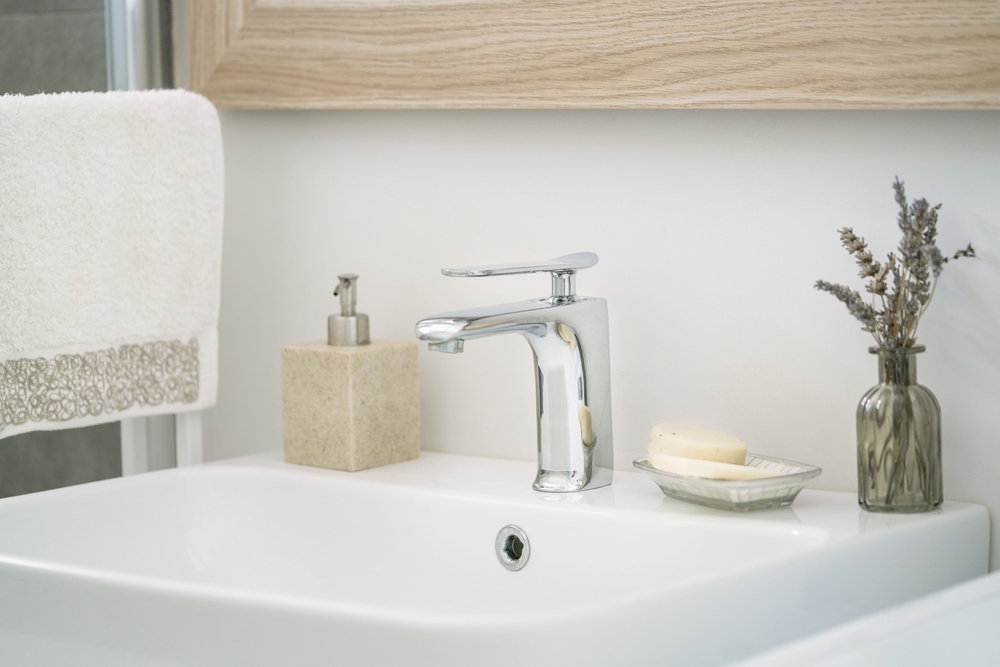
Traditional two-handle faucets work perfectly well, but single-handle faucets can sometimes be easier for children to operate. They also allow users to control the flow and temperature with one hand.
Touchless faucets are another option, particularly in busy kitchens.
When your hands are covered in dough, food residue, paint, dirt, or anything else children manage to find, being able to activate the faucet without touching the handle can be convenient.
Touchless fixtures can also help reduce the amount of grime transferred onto faucet handles.
You don’t need touchless fixtures throughout the entire house. Installing one in the kitchen or the bathroom your family uses most often may provide most of the benefit.
Install Drain Strainers in Frequently Used Sinks and Showers
Some of the best family-friendly plumbing improvements are also the simplest.
Drain strainers are a good example.
Hair, food particles, soap residue, and other debris gradually accumulate inside drains. In a busy household, that accumulation can happen surprisingly quickly.
A strainer helps catch larger debris before it enters the drain.
Use appropriate strainers in bathroom sinks, showers, tubs, and kitchen sinks. Empty and clean them regularly rather than allowing debris to build up.
It takes only a few seconds but can reduce the amount of material entering your drainage system every day.
Make Shut-Off Valves Easy to Find and Access
Every adult in the household should know where the main water shut-off is located.
You should also know where individual fixture shut-off valves are located.
For example, toilets typically have a shut-off valve that allows you to stop water going to the toilet without shutting down the water supply for the entire house. Many sinks have separate shut-off valves underneath them.
Knowing how to use these valves can make a major difference during a plumbing problem.
Imagine a toilet begins overflowing or a supply connection underneath a sink starts leaking. Being able to stop the water quickly can limit damage while you determine what needs to be repaired.
Avoid storing so many cleaning supplies and household products underneath sinks that shut-off valves become difficult to reach.
Check the valves periodically as well. A valve that hasn’t been touched for many years may not operate as smoothly as expected when you actually need it.
Consider Leak Detection Devices
A small leak doesn’t always announce itself immediately.
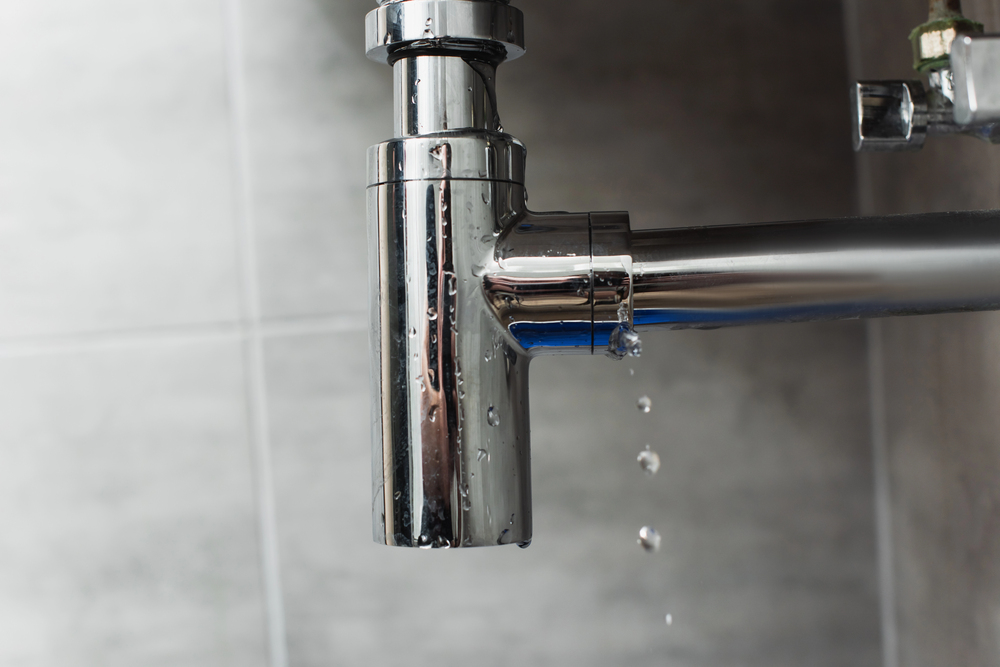
Water may slowly escape underneath a sink, behind an appliance, around a water heater, or near another plumbing fixture. If nobody notices it, moisture can continue accumulating.
Busy households can be particularly susceptible because nobody is necessarily inspecting the plumbing every day.
Water leak detectors can provide another layer of protection.
Simple sensors can be placed near areas where leaks are more likely to occur. More advanced systems may monitor water usage and, depending on the system, provide alerts when unusual activity is detected.
Common locations worth monitoring include:
- underneath kitchen sinks
- underneath bathroom vanities
- near washing machines
- around water heaters
- near dishwashers
- around basement plumbing equipment
Technology doesn’t replace routine inspection, but it can help you discover problems earlier.
Think About Your Family When Choosing a Toilet
A toilet isn’t necessarily a one-size-fits-all fixture.
Height, bowl shape, flushing performance, and ease of cleaning can all affect everyday comfort.
Some adults prefer taller toilets because they can be easier to sit down on and stand up from. However, taller toilets aren’t necessarily ideal for younger children.
If you’re replacing a toilet in a shared family bathroom, think about who will actually use it rather than choosing solely based on appearance.
You should also consider flushing performance. In a household where a toilet gets used repeatedly throughout the day, dependable flushing can be more important than premium cosmetic features.
If young children are learning to use the toilet independently, choose a setup that allows them to use it comfortably and safely.
Don’t Ignore a Toilet That Keeps Running
A running toilet may seem like little more than background noise, particularly in a busy household.
However, a toilet that repeatedly runs when nobody has flushed it deserves attention.
The problem may involve components inside the tank, such as the flapper, fill valve, or another part of the flushing mechanism.
Besides wasting water, an unreliable toilet becomes especially inconvenient when it is one of only one or two toilets serving an entire family.
Small plumbing problems are generally easier to deal with before they develop into larger ones. If adjusting or replacing a straightforward component doesn’t solve the issue, plumbing specialists can inspect the toilet and determine whether the problem involves the fixture itself or another part of the plumbing system.
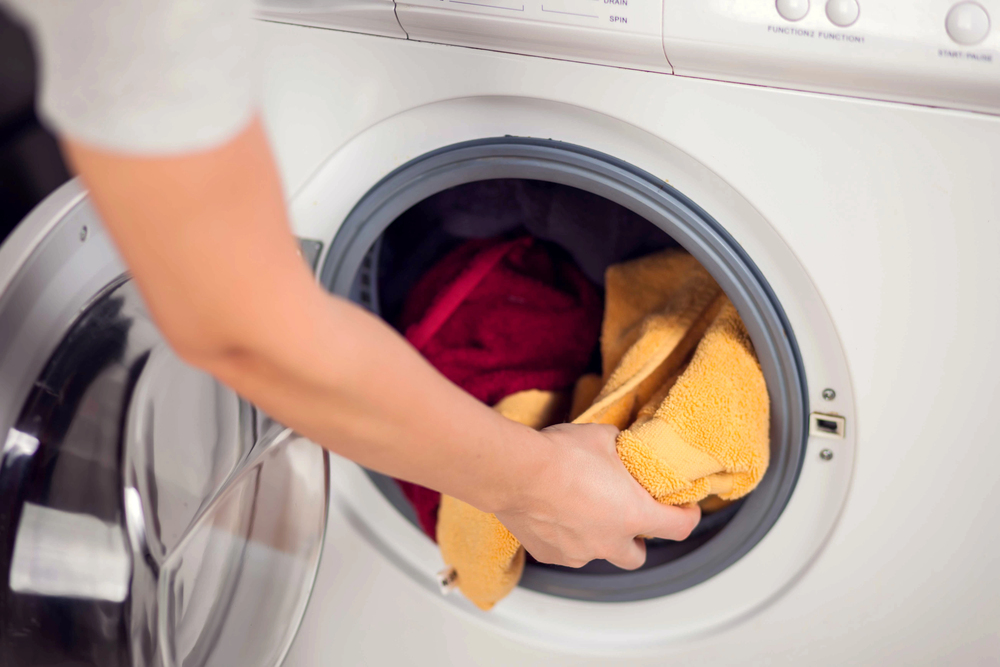
Make the Laundry Area More Practical
Families generate laundry. Lots of it.
That makes the plumbing around the washing machine particularly important.
Periodically inspect the washing machine supply hoses and connections for signs of deterioration, moisture, bulging, cracking, or corrosion. Don’t wait until water appears on the floor before paying attention to them.
Make sure the washing machine drain is also functioning properly.
If you’re renovating a laundry room, think beyond appearance. Leave enough access around plumbing connections so they can be inspected and serviced later.
A beautifully finished laundry room isn’t very practical if somebody has to dismantle cabinetry simply to reach an important plumbing connection.
Keep Plumbing Access in Mind During Renovations
Storage is valuable in a family home, so it’s understandable that homeowners want to use every available centimetre.
However, don’t sacrifice plumbing access for additional storage.
Valves, traps, cleanouts, pumps, water heaters, and other components may eventually require inspection or service.
Building permanent shelving or cabinetry directly in front of important plumbing components can turn a straightforward repair into a much larger project.
Before installing built-ins, finishing a basement, or remodelling a bathroom, identify where important plumbing components are located.
Design around them whenever practical.
The plumbing might be hidden most of the time, but you’ll appreciate having reasonable access when something eventually needs attention.
Teach Children What Shouldn’t Go Down the Toilet
One of the easiest ways to make plumbing more family-friendly is to teach everyone in the family how to treat it properly.
Children don’t automatically understand what can and cannot be flushed.
Make the rule simple: toilets are not garbage bins.
Items such as paper towels, cotton swabs, toys, food, personal care products, and other household objects should stay out of the toilet.
Even products marketed as flushable can behave differently from toilet paper once they enter the drainage system. A household bin beside the toilet gives everyone an easy alternative.
For younger children, keeping the message simple and consistent is usually more effective than explaining the mechanics of the drainage system.
Protect Kitchen Drains From Family Meals
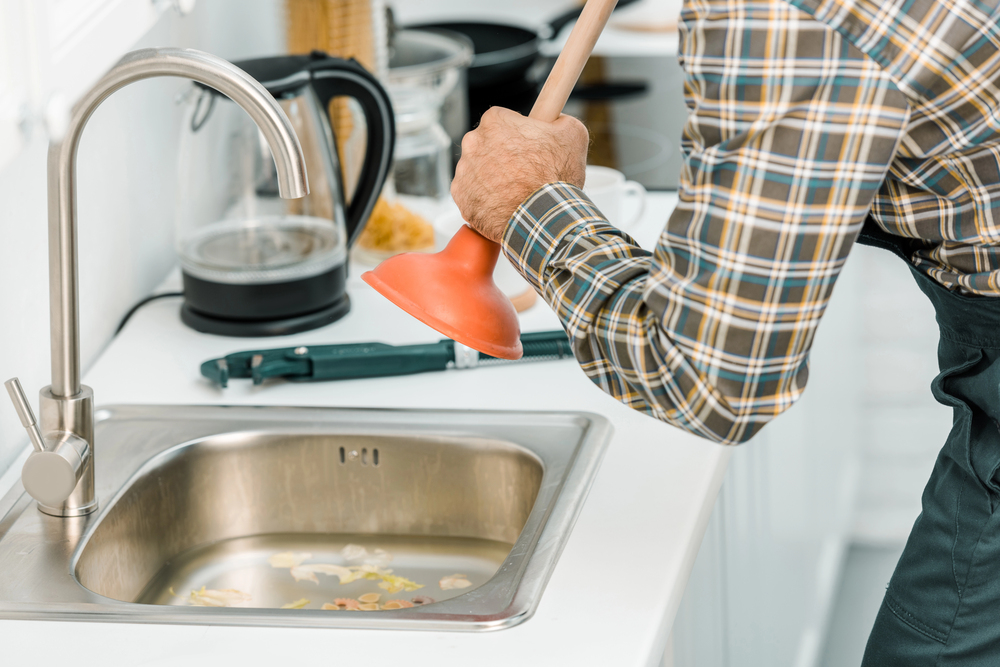
Family kitchens can be hard on drains.
Cooking oils, grease, coffee grounds, food scraps, sauces, and other leftovers often end up near the sink. It can be tempting to wash small amounts down the drain and assume running water will carry everything away.
That isn’t a good habit.
Grease and oils can contribute to buildup inside pipes, while food particles may become trapped with other material.
Scrape dishes before washing them and dispose of cooking grease appropriately rather than pouring it into the sink.
A kitchen sink strainer can catch larger food particles before they enter the drain.
These habits take very little additional effort, but when every family member follows them, significantly less debris enters the plumbing system.
Give Busy Bathrooms Better Ventilation
Not every bathroom moisture problem originates from a plumbing leak.
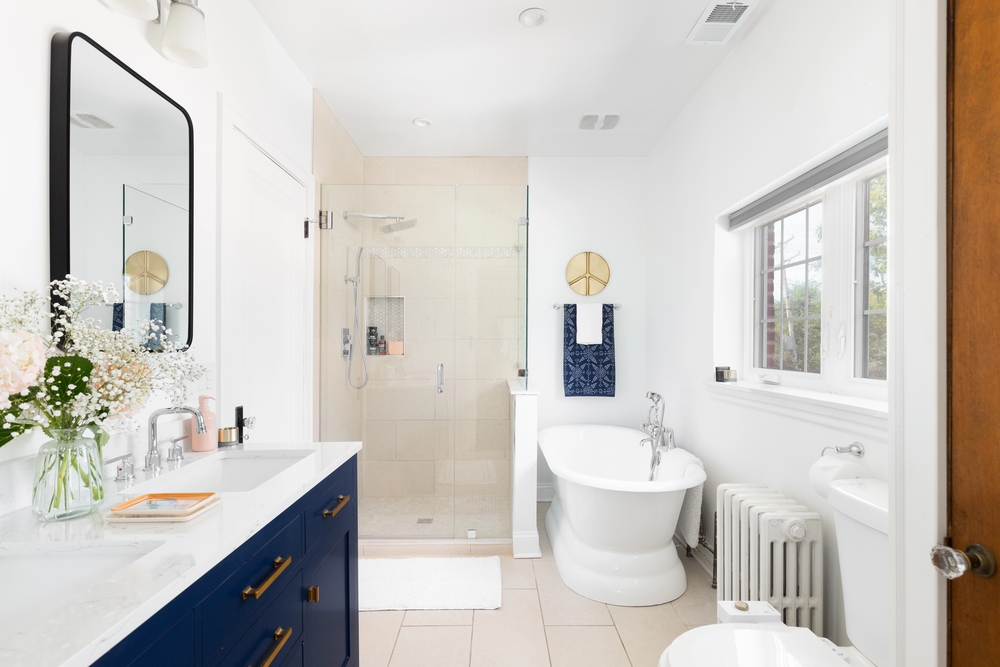
A household where several people shower every morning can generate a considerable amount of humidity.
Without adequate ventilation, moisture may collect on walls, ceilings, windows, cabinetry, and other surfaces.
Use the bathroom exhaust fan while showering and allow it to continue operating afterwards so excess moisture can leave the room.
If the bathroom constantly feels damp despite using the fan, it may be worth checking whether the ventilation system is functioning effectively.
At the same time, don’t automatically assume every patch of moisture is condensation. Persistent dampness, staining, bubbling paint, or unexplained water should be investigated because hidden plumbing leaks can produce similar signs.
Address Slow Drains Early
In a busy household, drains rarely get much rest.
Hair and soap can gradually restrict bathroom drains, while food residue and grease can affect kitchen plumbing.
Pay attention when a drain begins emptying more slowly than usual.
A drain that still technically works can be easy to ignore, but gradual slowing may indicate material accumulating inside the pipe.
Start with basic maintenance such as cleaning the drain strainer and removing accessible hair or debris.
Repeatedly relying on harsh chemical drain cleaners isn’t necessarily the best long-term solution. If the drain repeatedly slows down, backs up, makes unusual noises, or affects nearby fixtures, the underlying problem may require professional attention.
Create a Simple Plumbing Emergency Plan
Families usually have plans for fires and severe weather, but plumbing emergencies receive less attention.
A basic plan doesn’t need to be complicated.
Adults and older family members should know where the main water shut-off valve is and understand how to operate it.
Keep important plumbing areas accessible and know which fixtures have individual shut-off valves.
If water suddenly starts escaping from a fixture or pipe, the first priority is usually stopping or limiting the water when it is safe to do so.
Knowing what to do beforehand can prevent everyone from scrambling to find the shut-off valve while water continues spreading across the floor.
Pay Attention to Water Pressure
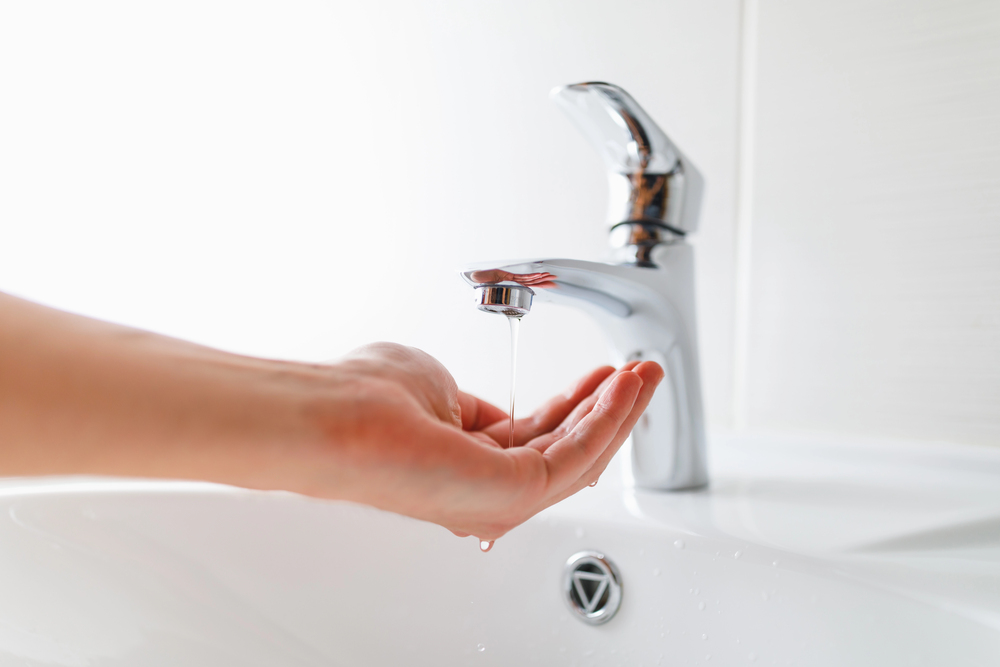
Strong water pressure can feel great in the shower, but unusually high pressure isn’t necessarily beneficial for your plumbing.
Excessive pressure can put additional stress on fixtures, valves, appliance connections, and other components.
On the other hand, noticeably weak pressure can make everyday family routines frustrating and may sometimes indicate an issue that deserves investigation.
If water pressure suddenly changes throughout the house, don’t simply assume that the fixture you’re using is responsible.
A professional can measure the pressure and determine whether there is an underlying plumbing issue.
Choose Durable Fixtures for High-Use Areas
A decorative faucet may look fantastic in a showroom, but family bathrooms and kitchens need fixtures that can handle frequent use.
When replacing plumbing fixtures, think about durability, availability of replacement parts, ease of cleaning, and how simple the controls are to operate.
This is especially important in children’s bathrooms, kitchens, mudrooms, and other high-traffic areas.
Trendy finishes and unusual designs can still work, but practicality should be part of the decision.
A fixture that looks slightly less impressive but works reliably for years may ultimately be the better choice for a busy household.
Don’t Wait for Small Problems to Become Emergencies
Families are busy, and plumbing maintenance isn’t usually at the top of anyone’s weekend plans.
That’s exactly why small issues can linger.
A faucet drips occasionally. A toilet needs to be jiggled after flushing. One drain empties slowly. There’s a little moisture underneath the kitchen sink.
Individually, these problems may not seem urgent.
However, small plumbing symptoms can sometimes provide an early warning that something is wearing out, leaking, blocked, or no longer operating correctly.
Make a habit of paying attention to changes.
You don’t need to inspect every pipe every week. Simply noticing how your plumbing normally behaves makes unusual changes easier to recognize.
Build Plumbing Maintenance Into Your Household Routine
Plumbing maintenance becomes easier when it’s treated like other household tasks.
Every few months, take a quick look underneath sinks for moisture. Check around toilets for unexpected water. Look at exposed supply connections and washing machine hoses. Clean drain strainers and pay attention to fixtures that aren’t working normally.
Before colder seasons, make sure outdoor plumbing is prepared appropriately for the climate. Before leaving home for an extended trip, check for obvious leaks and make sure everything is operating normally.
None of these tasks requires much time individually.
The goal isn’t to constantly worry about plumbing. It’s to catch obvious problems before they have an opportunity to disrupt family life.
A Family-Friendly Plumbing System Is About Everyday Convenience
Making your plumbing more family-friendly doesn’t mean installing expensive technology throughout your home.
Often, the most useful improvements are straightforward.
A safer shower valve can make bath time more comfortable. An accessible shut-off valve can make an emergency easier to control. Drain strainers can keep unnecessary debris out of pipes. Leak detectors can provide an early warning. Durable fixtures can withstand years of daily use.
Just as importantly, simple household habits can reduce unnecessary strain on the plumbing system.
When everyone knows what shouldn’t be flushed, keeps grease out of the kitchen sink, reports leaks instead of ignoring them, and understands where the water shut-off is located, the entire household becomes better prepared.
Good residential plumbing should work quietly in the background while family life carries on around it. A few thoughtful upgrades and preventative habits can help keep it that way.
Image Credit: depositphotos.com