
It is a phrase most parents hear almost daily.
“I’m fine.”
After a small bump in the car park. After a sudden stop at the traffic lights. After a car accident that leaves everyone shaken but standing. Once the seatbelts are unclicked and the doors open, there is often a shared sense of relief—no visible injuries. No tears. No obvious cause for alarm.
In those moments, it is natural to focus on the practicalities. Make sure everyone is safe. Calm the children—swap details. Get the car moved. Get home. Try resetting and carrying on with the day.
Later, once the house is quiet and the adrenaline has worn off, parents often replay what happened. Was the impact stronger than it felt? Did anyone’s head jolt forward? Was the child unusually quiet on the way home? These are normal thoughts, especially when you are responsible for small people who may not explain discomfort clearly.
The key point is simple: after a car accident, some symptoms may develop later. Knowing what to look out for helps you stay calm and respond appropriately over the next 48 to 72 hours.
Why Injuries Don’t Always Show Up Right Away
Even a low-speed collision can cause significant damage. Seatbelts hold you in place, but the torso and head can still move quickly. Muscles can brace automatically. Joints and soft tissues may be stretched in ways that do not feel painful at first.
One reason symptoms may appear later is the body’s stress response. Adrenaline and other stress hormones can dull pain and sharpen focus while you deal with the moment. Once those levels drop, aches, stiffness, and headaches may become more noticeable.
Inflammation also builds gradually. Soft tissue injuries often feel worse as swelling increases. A neck strain can start as mild tightness and become more uncomfortable later that evening. Back soreness may not show up until the following morning, when muscles have had time to stiffen.
Head impacts and rapid head movement can cause symptoms that may change over time. This does not always indicate a serious issue, but it does mean the first few days are worth monitoring.
This is why awareness of delayed injury symptoms after a crash can be genuinely useful for families. Awareness helps you spot changes early and decide whether anyone needs extra support.
Children add another layer. Some kids want to go back to play and will brush off pain. Others feel overwhelmed and struggle to describe what is wrong. A child might say their tummy hurts when they mean they feel dizzy. They might act fine at home and then melt down at bedtime because that is when they finally feel safe enough to release stress. Patterns across a day often tell you more than one quick check-in.

Physical Symptoms Parents Should Watch For
Most families will feel sore and tired after a stressful event, even without injury. Still, certain symptoms may not appear until after a collision and are worth monitoring.
Headaches
A headache that begins hours later may be due to neck and shoulder tension, dehydration, stress, or head movement during impact. Pay attention to headaches that worsen, recur, or are accompanied by nausea or light sensitivity.
Neck and shoulder stiffness
Whiplash-type injuries often develop gradually. A child may complain that turning their head hurts, or you might notice they move their whole body rather than turning their head. Adults often describe tightness across the shoulders or soreness at the base of the skull.
Back pain
Lower back discomfort can develop later in the day or the next morning, particularly if the body braced hard during impact. Look out for pain that limits movement, causes weakness, or feels sharp rather than achy.
Dizziness or feeling “off”
Lightheadedness, balance issues, or a sense of fogginess may occur later. In children, this might look like unusual clumsiness, a tendency to lie down, or a feeling of being strange when they stand up.
Nausea or vomiting
An upset stomach can happen from stress, but vomiting after a collision can be a sign to take seriously, especially if there was a head knock or sudden head movement.
Fatigue and low energy
After a car accident, tiredness is common. What you are looking for is fatigue that seems out of proportion or does not lift after a good sleep. Children may nap at unusual times or struggle to wake up in the morning.
Sleep changes
Trouble falling asleep, restless sleep, nightmares, or sleeping far more than usual can be signals that the body and mind are still processing what happened.
A practical way to check in with children is to use routine moments. Ask how their head feels while brushing teeth, or whether their neck feels tight while getting dressed. It feels less disruptive than pausing the day for repeated questions and can lead to more honest answers.

Emotional and Behavioural Changes That Can Signal Something More
Delayed symptoms are not only physical. Emotional and behavioural changes can also appear after a car accident, and they can be just as important to notice.
Some children become clingy. Others turn irritable or argumentative. You might see mood swings that feel out of character, or a child who cries more easily for a day or two. This can be a stress response, but it can also be linked to pain, poor sleep, or a mild head injury.
Anxiety around travel is common. A child may resist getting into the car, ask repeated questions about safety, or go quiet as you approach the same junction where the collision happened. Some children reenact the car accident in their games, repeating crash scenarios to make sense of it.
For older children, watch for concentration issues. They may report that school feels harder, that reading makes their head hurt, or that they cannot focus on homework. Parents sometimes notice frustration arriving sooner than usual, especially later in the day when tiredness sets in.
Adults can experience similar changes. Feeling jumpy in traffic, avoiding driving, or replaying the event at night is common after a scare. If you are caring for children, your own stress can also affect sleep, patience, and energy.
If behavioural changes accompany physical symptoms, take note. It can help to jot down quick observations for a short period. Nothing complicated. A simple record like “neck stiffness after school” or “woke twice overnight” can make patterns clearer if you decide to speak with a healthcare professional.
When to Seek Medical Advice
It can be hard to distinguish between normal soreness and what needs attention. A useful approach is to assess severity, whether symptoms are worsening, and whether multiple symptoms occur together.
Contact a healthcare professional if anything feels severe or unusual for your child, or if symptoms intensify rather than improve.
Examples that should prompt medical advice include:
- A headache that intensifies, returns repeatedly, or comes with dizziness
- Vomiting, especially if repeated
- Confusion, unusual drowsiness, or difficulty waking
- Balance problems, weakness, or changes in coordination
- Numbness or tingling in arms or legs
- Neck pain that is strong, persistent, or limits movement
- Vision changes, slurred speech, or unusual behaviour
If you suspect a concussion, a trusted concussion symptoms checklist can help you understand what to watch for and when to get help.
Even when symptoms are mild, it is reasonable to seek reassurance if your instinct says something is not right. Parents are often the first to spot subtle changes because they know their child’s normal patterns better than anyone.

The First 48 to 72 Hours: Monitoring With Confidence
You do not need to turn your home into a clinic after a car accident, but a calmer, more attentive couple of days can be helpful.
Start with the basics. Hydration, simple meals, and rest go a long way. Stress and disrupted routines can exacerbate fatigue and headaches, so returning to a gentle routine can help everyone feel steadier.
Here are practical, low-effort ways to monitor your family:
Pay attention to energy levels
Is your child tiring quickly? Are they unusually quiet? Are they struggling to keep up with normal play?
Watch sleep and mornings
Sleep can be a helpful indicator. Notice whether bedtime is harder, whether they wake more often, or whether mornings feel much more difficult than usual.
Look for small complaints that repeat
A single comment about a sore neck might not mean much. The same complaint mentioned several times over the course of a day tells you more.
Keep activities light
For a day or two, consider reducing physical activity and screen time if headaches or dizziness occur. If everyone feels normal, a gradual return to routine is fine.
Check in without pressure
Some children respond better to choice-based questions: “Does your neck feel okay when you look left and right?” or “Is your head feeling normal or a bit sore today?” It is often easier than “Are you hurt?”
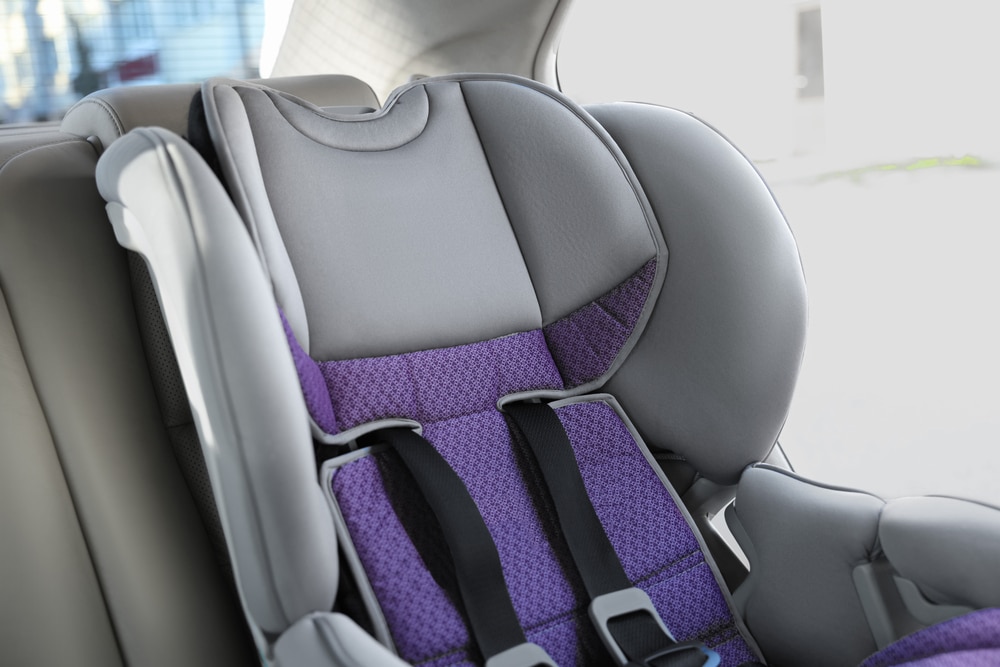
If the car accident has made you think about broader safety habits, it can also be a good moment to review everyday car routines. A quick refresher on car seat safety can sit naturally alongside your post-accident awareness, especially if you are already adjusting routines after a scare.
A Calm, Informed Approach Makes All the Difference
Most minor car accidents do not lead to serious injury. Many families experience nothing more than a stressful moment and a few sore muscles.
Still, the body can take time to react. Symptoms may appear later that evening, the next morning, or over the following days. Children may not connect their feelings to what happened in the car, and they may not describe discomfort clearly.
A steady approach helps. Notice changes. Keep the next day or two simple. Get medical advice if symptoms are severe, worsening, or out of character. Supporting children emotionally is also important, as worry and fear can manifest later, even in the absence of injury.
When everyone says “I’m fine,” it often is true. Having a plan for what to look out for afterwards helps you stay calm if it is not.
Image Credit: depositphotos.com
