When the Ceiling Becomes Soil
The modern roof has long been a missed opportunity. Tiled, flat, or pitched — it has mostly existed to repel weather and fade quietly into the skyline. But what if that inert surface was reimagined as a thriving patch of ecosystem? Urban rooftops, once reserved for chimneys and HVACs, are fast becoming unlikely havens for biodiversity.
A micro-habitat doesn’t need sprawling space. It needs intention. And roofs — be they modest in size or expansive — can support wildflowers, bees, native grasses, butterflies, and fungi. Yes, even fungi. The concept isn’t about slapping a few planters onto a penthouse. It’s a rethink of what rooftops are for — from insulation to integration.
Cities Are Loud, Roofs Are Quiet
The higher you go, the quieter it gets. Urban life roars below, but rooftops offer a surprising stillness. That calm is valuable — not just for humans but for wildlife looking to nest, rest, or pollinate without a leaf blower interrupting them every ten minutes. Birds, especially insectivores and seed-eaters, begin to recognise these rooftops as viable pauses in the concrete desert. Insects, drawn by native plants and undisturbed soils, begin to colonise.
You’re not just giving them a snack bar. You’re offering refuge. Some rooftops in Berlin have documented over 40 species of wild bees. All from a patch of intentional planting smaller than your living room.
Design Beyond Green
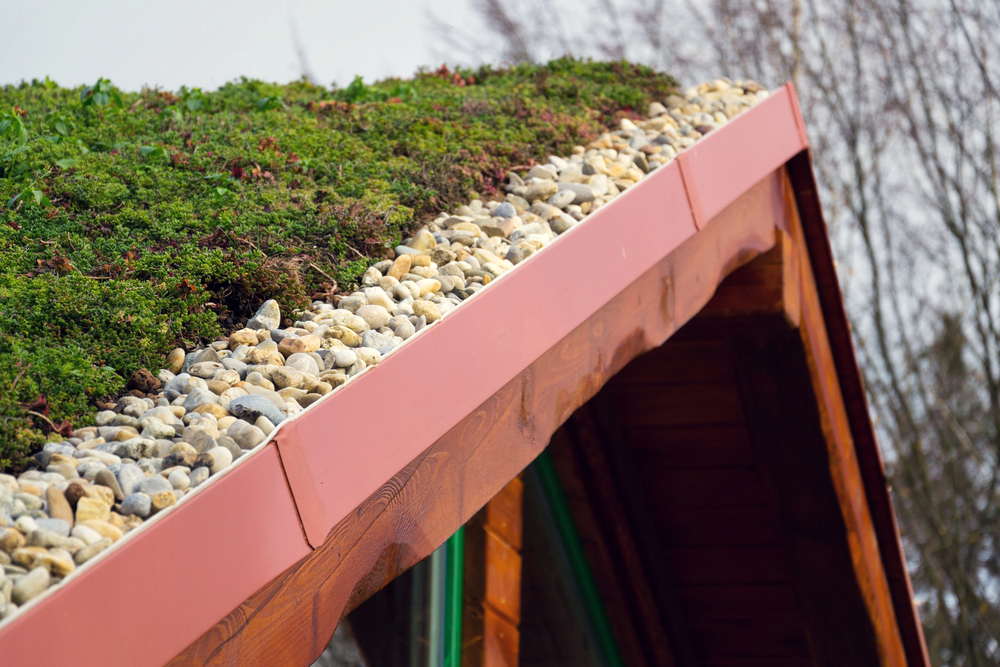
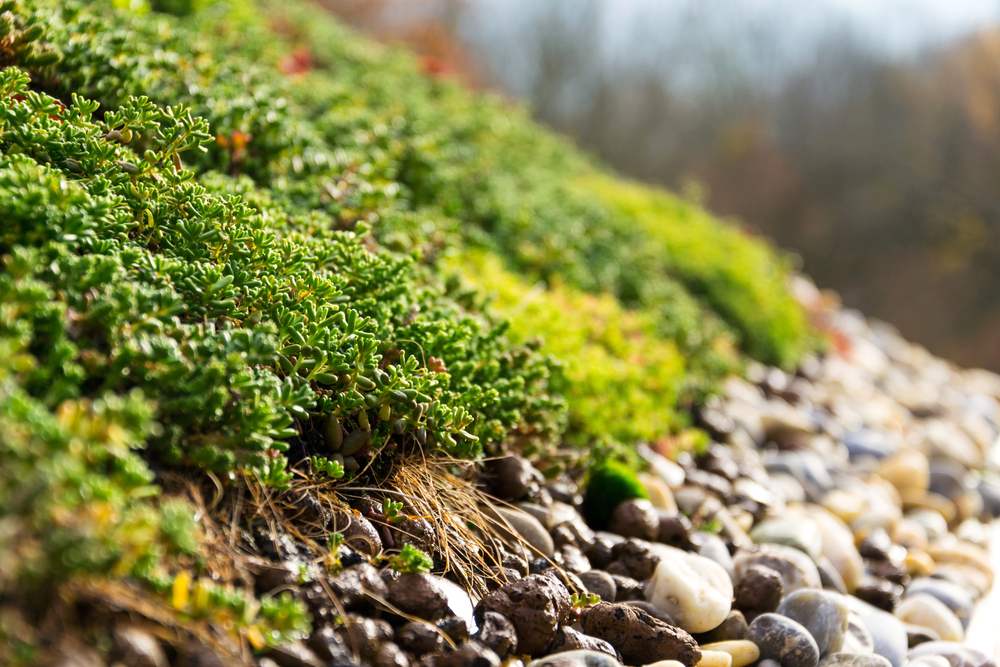
Let’s talk design. A biodiverse rooftop is not a green roof. Or at least, not only a green roof. Traditional green roofs often prioritise sedum for its low maintenance, but sedum alone is biologically poor. Biodiverse rooftops, on the other hand, embrace unevenness — in soil depth, in structure, in chaos. They invite deadwood, rocks, gravel mounds, shallow pools. They look a little wild, because they are.
The variation in topography mimics nature. And nature doesn’t do neat. Instead of monoculture lawns perched above the fifth floor, think of wind-thrown seeds finding home in crevices. Think beetles nesting in decaying logs placed purposefully near rooftop edges.
The Roof Thatcher Was Onto Something
Long before synthetic membranes and roofing felt, the roof was already alive. The thatched roofs of centuries past — often dismissed now as rustic relics — teemed with biodiversity. Mice, spiders, beetles, owls, even bats used thatched roofs as part of their ecosystem. The roof thatcher, once a respected craftsperson, wasn’t just building shelter; he was building habitat.
It’s ironic, really. As we chase high-tech sustainability, we’re circling back to what was once common sense. A thick, breathing, natural roof that both protected and connected.
Micro-Habitats That Do More Than Host
Adding biodiversity to your rooftop isn’t a vanity project for the eco-conscious elite. It has tangible effects on your environment — both immediate and systemic. Increased thermal insulation, reduced urban heat island effect, air filtration, stormwater retention. Your mini-wildroof helps manage water better than most engineered systems — because nature’s been doing it longer.
And there’s the human element. The act of tending, watching, learning. Not everyone can walk into a forest at will. But stepping out onto a rooftop with bees and lichen and breeze — that’s something else.
Building with Biodiversity in Mind
This isn’t about covering every roof in grass. Some buildings will only allow small interventions — a few planters, perhaps a bug hotel. Others can bear the load of a full meadow. What matters is the choice to do something.
Work with structural engineers. Collaborate with ecologists. Use crushed brick for poor soil. Choose local seed mixes. Add logs, not just loungers. If the architecture allows, let parts of the roof collect rain. Let it be a little messy.
Because life thrives in mess.
From Passive Surface to Living System
Your rooftop can be more than a lid. It can be a lung. A refuge. A testing ground. It can host life, not just shield it. And in doing so, it becomes part of something larger — a network of micro-habitats that stitch resilience into the urban fabric.
No fanfare. No forced poetry. Just a roof doing more than it used to.
Image Credit: pexels.com and depositphotos.com
