
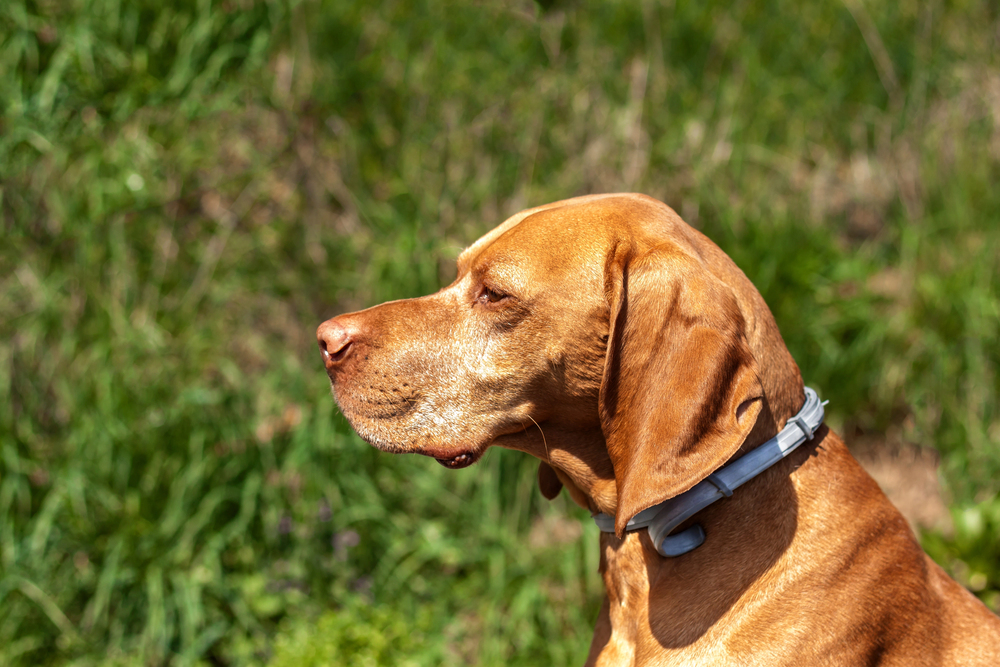
Fleas can cause more than just itching for pets—they can also affect the comfort and safety of your home. Choosing a flea collar that protects your pet without exposing your family to harsh chemicals takes careful attention. You can keep your pets pest-free and still create a safe space for children by choosing a non-toxic flea collar that balances protection and safety.
Many collars contain ingredients that may harm pets or kids through skin contact or residue. However, safer alternatives use plant-based oils and materials that repel pests naturally. By learning what to look for in a non-toxic flea collar, you can protect both your pet’s health and your family’s peace of mind.
Choose collars with plant-based ingredients
You can lower your dog’s exposure to harsh chemicals by choosing flea collars for dogs from Get Fur Life or from other brands that use natural oils such as cedarwood and peppermint. These oils help repel fleas and ticks through their scent and texture rather than synthetic pesticides. This makes them safer for homes with kids and sensitive pets.
Cedarwood oil helps dry out pests and discourages them from staying on your dog’s coat. Peppermint oil adds a cooling effect and a smell that most insects avoid. Together, these ingredients create a natural barrier that supports your dog’s comfort without strong chemical odors.
Before buying, check the label for clear ingredient lists and avoid collars that hide their formulas. A good natural collar should feel light, fit comfortably, and remain effective for several months. This approach helps you protect your pet while keeping your household free from unnecessary chemicals.

Verify the collar is water-resistant to maintain effectiveness during play and baths
A water-resistant flea collar helps protect your pet even after contact with water. It keeps releasing its active ingredients at a steady rate, so your dog or cat stays guarded against pests after a bath, swim, or rain exposure. This feature prevents gaps in protection that could allow fleas or ticks to return.
Check the product label or packaging for clear water-resistance claims. Some collars lose strength if soaked often, while others retain their effect for months under normal washing or outdoor conditions. Reading the directions helps you know how often your pet can bathe without reducing the collar’s performance.
Choose a collar that resists moisture but still feels comfortable on your pet’s skin. A well-made collar should stay effective without leaving greasy residue or odor. This balance keeps your pet safe and your home free from unwanted pests, even during active play or frequent baths.
Choose collars labeled non-toxic and safe for households with children
You should look for flea collars that clearly state they are non-toxic and safe for homes with kids. Labels that mention “child-safe” or “chemical-free” indicate the product avoids harsh pesticides that could pose risks if touched or chewed. This helps protect both your pet and your family.
Read ingredient lists carefully. Collars made with plant-based oils such as cedarwood or peppermint often use natural repellents instead of strong insecticides. These ingredients tend to be gentler on skin and less likely to cause irritation or allergic reactions.
Keep in mind that even safe collars should stay out of children’s reach. Some natural products can still cause mild discomfort if handled too often. Always store extra collars in a closed container or cabinet.
Ask your veterinarian for advice before buying. A vet can confirm whether a product meets safety standards and suits your dog’s size, breed, and health needs.
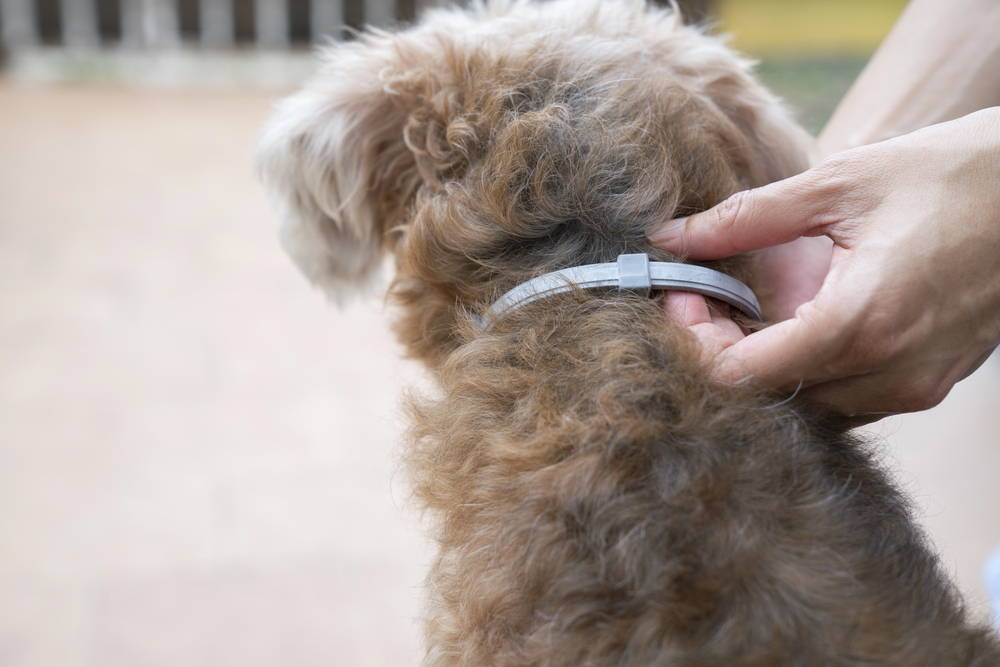
Avoid collars containing synthetic pesticides or chemicals
You should stay away from flea collars that use synthetic pesticides such as carbaryl, imidacloprid, or flumethrin. These chemicals target the nervous system of insects but can also affect pets and people. Studies show that exposure to these substances may lead to tremors, headaches, or other neurological symptoms in sensitive animals.
Some collars release gases or residues that spread through your pet’s fur and skin. This process can expose children who touch or cuddle pets to low levels of toxins. Therefore, collars with harsh insecticides may pose more risk than benefit, especially in homes with young kids.
Safer choices use natural repellents made from plant-based oils. These options may not last as long, but they reduce chemical exposure for both pets and family members. Always read ingredient labels carefully and talk with your veterinarian before putting any flea collar on your pet.
Consult your veterinarian to guarantee the flea collar is safe
Your veterinarian can help you choose a flea collar that fits your pet’s age, size, and health needs. Some collars use chemicals that may irritate sensitive skin or cause mild reactions. A vet can explain which ingredients are safer for use around children and other pets in your home.
Different pets react differently to flea products. A collar that works well for one animal may not suit another. Your vet can review each option and point out any possible risks before you buy.
Ask your vet about collars labeled as low-toxicity or natural. However, even natural products may not be safe for every household. The vet can suggest safe handling and storage steps to reduce contact with chemicals.
By consulting your vet first, you protect both your pet’s health and your family’s safety. This step helps you make a confident and informed choice.

Conclusion
You now understand how to choose a flea collar that protects your pet without exposing your family to unsafe chemicals. Focus on collars that list natural or low-toxicity ingredients and have clear safety data. This helps you avoid products that may cause skin irritation or other health issues.
Always read the label and follow usage directions carefully. A proper fit keeps the collar effective while reducing contact with your child’s skin.
Ask your veterinarian before use if your pet is pregnant, nursing, or has health problems. This step helps you find a safe product that meets your pet’s needs.
By staying informed and cautious, you can keep your pet free of fleas and your home safe for kids.
Image Credit: depositphotos.com