
Your home is constantly exposed to the elements, including rain, snow, ice, and wind. Over the years, this constant exposure takes its toll, causing serious (and costly) structural damage. While no home is one hundred percent weatherproof, there are actions you can take to make your home more weather-resistant. Strengthening vulnerable areas not only protects the structure of your home, but also its value. This is especially important if you live in an area with high precipitation, such as Massachusetts. For example, Boston gets an average of 43.77 inches of precipitation per year. Let’s take a look at some of the things you can do to make your home more weather-resistant.
Why Weather Resistance Matters
First, let’s get into why you want to make your home weather-resistant. Some of the reasons include:
- Preventing costly storm-related repairs.
- Extending the lifespan of building materials.
- Improving energy efficiency and indoor comfort.
- Reducing the risk of water intrusion and structural damage.
- Providing greater peace of mind during severe weather.
As you can see, improving the weather resistance of your home not only makes it more comfortable, but it can also be a smart financial decision.
Start With Your Roof
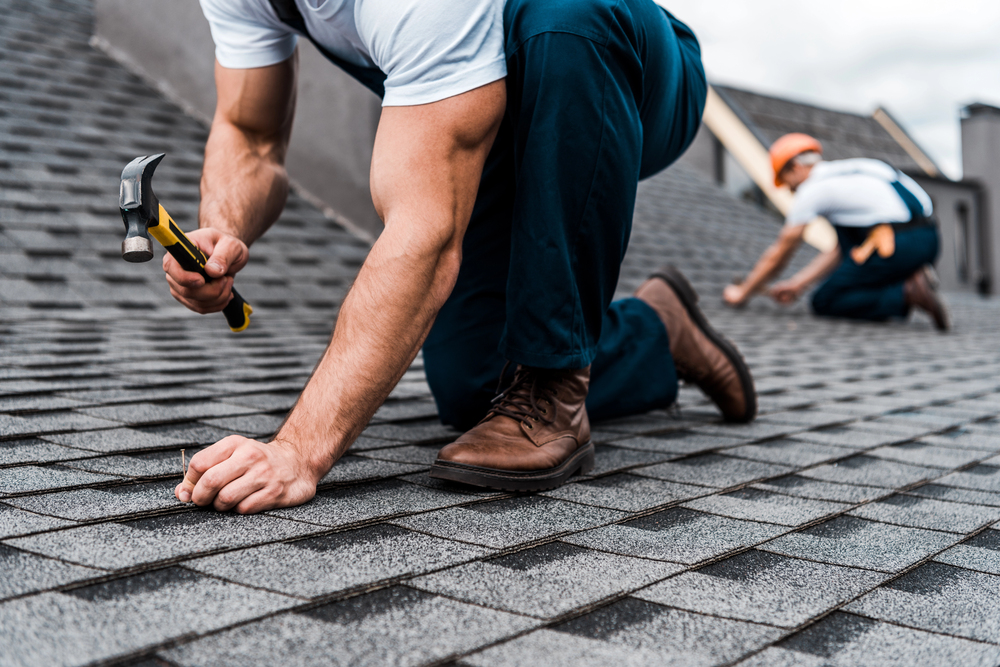
Look at your home when it is raining or snowing, and you’ll see where most of the precipitation ends up. Right on top of your roof. Your roof is your home’s first line of defense against the elements. To ensure your roof is as weather-resistant as possible, you should inspect it regularly for:
- Missing or damaged shingles
- Loose flashing around vents and chimneys
- Sagging areas
- Signs of leaks or water damage
If you notice any of these, repairs should be made as soon as possible. If you neglect roof maintenance, water will find its way into your home, causing serious structural damage that can be extremely expensive to repair. If you do need repairs, they should be carried out by an expert on residential roofing Boston residents trust. This will ensure that all repairs are done properly and will last for years to come.
Keep Gutters and Drainage Systems Working Properly
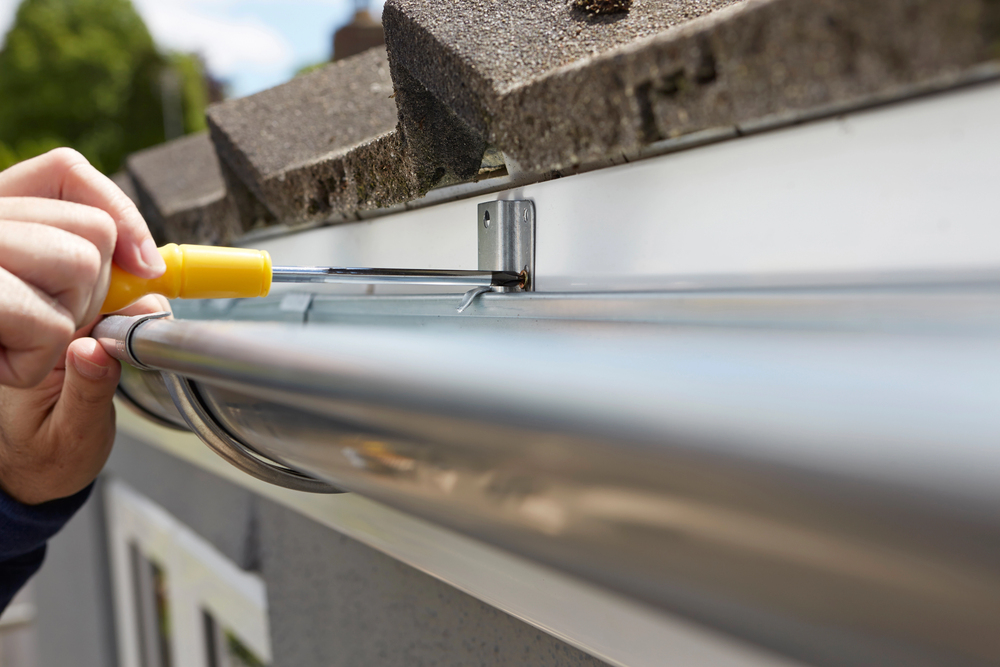
Gutters and drainage systems ensure that rain and snowmelt is directed away from the structure of your home. If these systems fail, water will pool around your home’s foundation, eventually finding its way inside and damaging your home. To avoid this, you should clean your gutters regularly to ensure that no clogs develop. Additionally, you should look for and replace any damaged gutter sections. Water is one of the most damaging things when it comes to homes, and making sure it is directed away from the structure should be the top priority of any responsible homeowner.
Seal Windows and Doors
Improperly sealed windows and doors can let uncomfortable drafts in, as well as water that can cause damage. Not only that, but an improperly sealed window or door will also let out heating and cooling, causing your utility bills to increase dramatically whenever there are severe temperatures. To ensure that this doesn’t happen to you, you should replace worn weatherstripping, recaulk gaps around windows and doors, check for drafts and moisture intrusion, and consider upgrading to energy-efficient windows if needed. If you take these steps, you’ll be strengthening one of the major weak spots of your home when it comes to weather resistance.
Trim Trees and Maintain Landscaping
A large tree falling in inclement weather can cause hundreds of thousands of dollars in damage in the blink of an eye. You should regularly inspect trees on your property to ensure they are stable. This is often best done by a professional. Any tree that poses any risk should be trimmed or removed if necessary. Additionally, you should avoid any landscaping that could trap moisture against the foundation of your home.
Prepare for Severe Weather
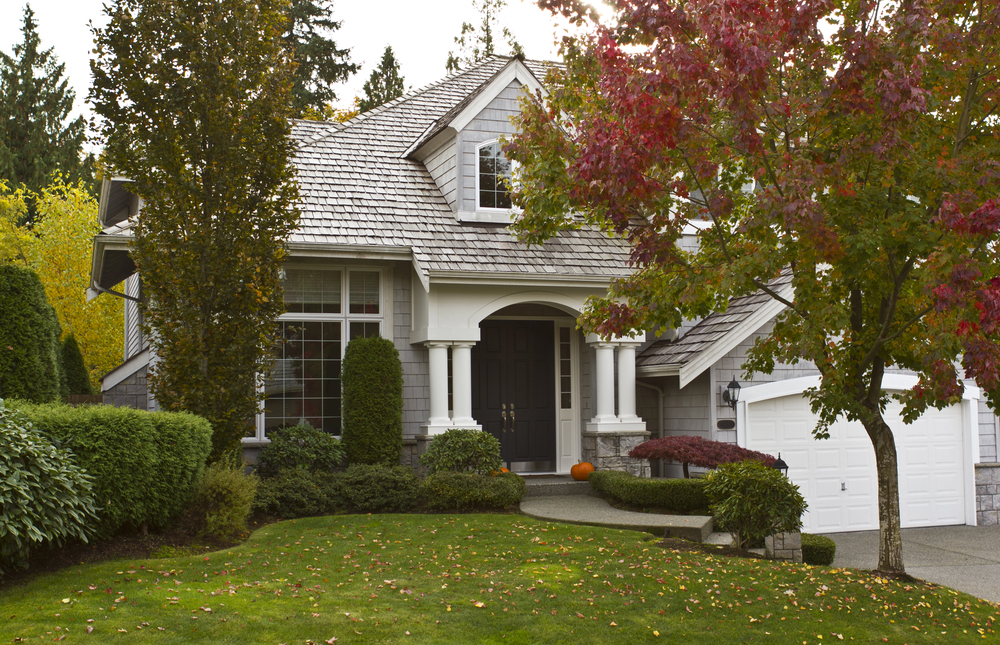
When you get the warning that severe weather is on its way, you shouldn’t just wait for it. You should be proactive. This means securing outdoor furniture and decorations, knowing where utility shutoffs are located, and keeping an emergency kit stocked. All of this will go a long way towards minimizing the damage that can happen to your home in a storm.
Image Credit: depositphotos.com