
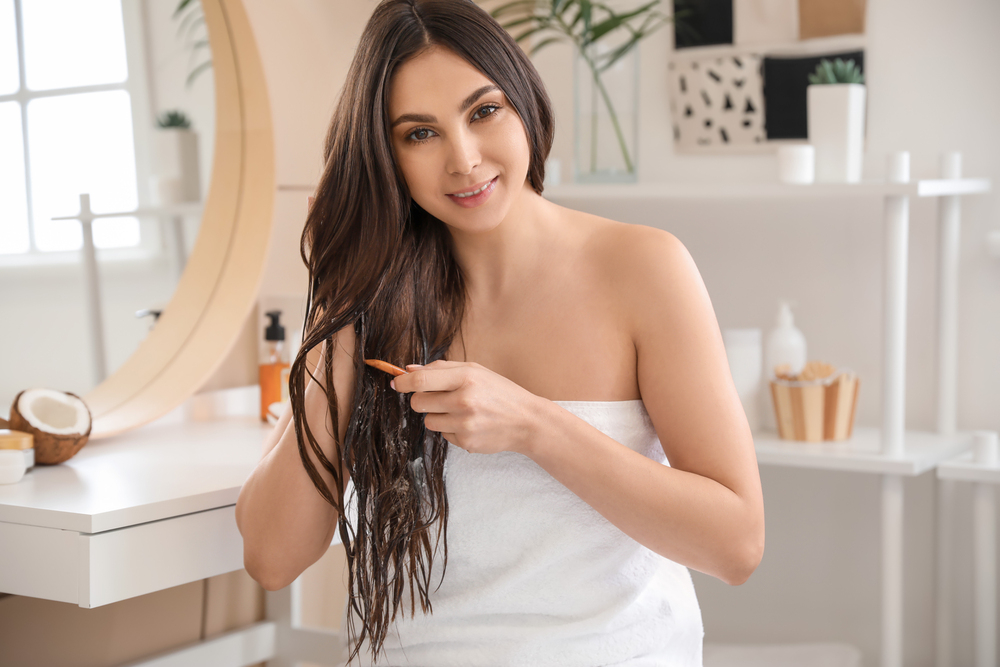
Online debates about haircare are everywhere: salon treatments or DIY, chemicals or botanicals, professional or homemade. But the real truth is that your hair only responds to what works. The best results often come from combining both methods in a smart way.
Professional treatments use strong ingredients to change your hair’s structure quickly, often in minutes instead of months. Natural hair care focuses on gentle upkeep, scalp health, and long-term nourishment without harsh side effects. The real question isn’t which is better, but when to use each one and how to make them work together instead of against each other.
This guide explains what hair treatments and natural hair care really do, when each approach is useful, and how to create a routine for healthier hair without getting caught up in strict rules.
Why Balance Actually Matters
Your hair mainly needs two things: strong structure and balanced moisture. Treatments such as keratin, protein masks, and bond builders quickly change your hair’s structure or surface, which helps when damage is serious or you want fast results. Natural ingredients like oils, butters, and plant extracts keep your hair healthy with gentle nourishment, antioxidants, and scalp care. Using the right products for your hair type, including a dandruff shampoo for color treated hair, supports scalp health without stripping moisture or fading color.
If you only use one approach, problems can happen. Intensive treatments without good aftercare can cause protein overload, dryness, or buildup that ruins your progress. On the other hand, only using natural hair care can’t fix serious damage or give the deep repair that damaged hair sometimes needs.
Using both methods gives your hair the strength from treatments and the flexibility and shine from regular, gentle care. Over time, your hair becomes both stronger and softer, instead of improving one quality while losing another.
What Professional Treatments Actually Do
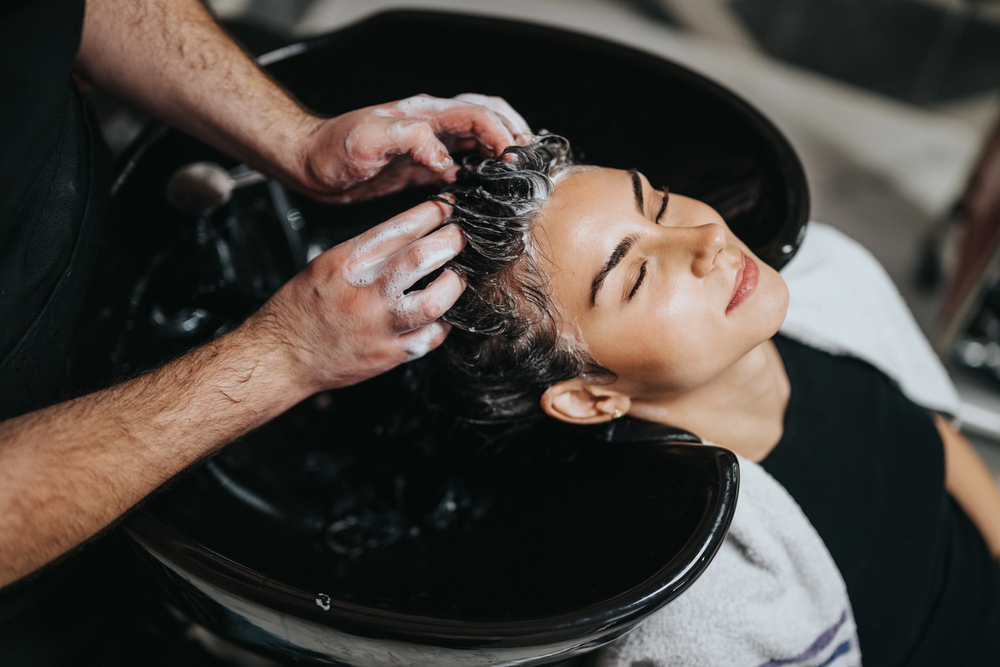
Professional treatments work by temporarily or permanently changing the hair’s structure. Keratin treatments use heat and specific formulations to smooth the outer layer and reduce frizz for weeks or months. Protein treatments deposit concentrated amino acids into damaged areas to strengthen weak spots. Bond builders like Olaplex reconnect broken disulfide bonds from chemical processes or heat damage.
These changes happen quickly because the ingredients are strong and often need heat or special conditions you can’t safely create at home. The downside is that the results are temporary. Without good upkeep, the effects fade as you wash, style, and go about your daily routine.
Treatments are like fixing the foundation of a house: they repair damage or strengthen weak spots. But you still need regular care to keep those results lasting.
What Natural Hair Care Actually Does
Natural ingredients work through nourishment and protection rather than structural change. Plant oils like argan, jojoba, and coconut seal the outer layer and prevent moisture loss. Aloe vera and marshmallow root provide slip and hydration. Botanical extracts like nettle, horsetail, and rosemary support scalp health and reduce inflammation. Raw honey and glycerin draw moisture into the hair shaft as humectants.
These ingredients don’t dramatically repair damage, but they help prevent new problems and keep healthy hair in good shape. Natural care is best for daily protection, nourishing your scalp, and helping hair grow stronger from the root.
There is a limit, though. If your hair is already damaged from bleaching, heat, or chemicals, natural hair care alone can’t rebuild what’s lost. You’ll need special repair treatments first, then use natural care to maintain the results.

When to Use Professional Treatments
Choose professional treatments when you have specific damage or want quick, visible results. If you’ve bleached or colored your hair several times, a bond-building treatment can repair broken protein chains that natural care can’t fix. Keratin treatments are helpful if humidity causes frizz and you want easier styling for months. Protein-rich salon masks are good when your hair feels mushy or stretchy, which are signs of protein loss that need strong repair.
A good schedule is every 8-12 weeks for bond builders if you color your hair often, 2-4 times a year for keratin smoothing, and once a month to every few months for intensive protein, depending on how damaged your hair is. If your hair is healthy and not processed much, you can skip these or use them rarely.
The key question: Is this solving a real problem, or am I chasing a marketing promise?
Supporting Treatments with Natural Care
Professional treatments give the best results when you care for your hair gently between appointments. After a keratin treatment, use sulfate-free shampoos and light plant oils to keep your hair smooth without removing the treatment. After a protein treatment, use moisture-rich masks with aloe, honey, or flaxseed to keep your hair from getting stiff.
After a treatment, your routine should be simple, not complicated. Cleanse your hair without harsh shampoos, add moisture without causing buildup, and protect it from heat. Natural options like chamomile rinses, diluted apple cider vinegar, and light oil blends work well for this.
Don’t use heavy DIY protein masks right after a professional protein treatment, or you’ll overload your hair. Also, avoid clarifying shampoos right after a keratin treatment because you want the treatment to last.

Balancing Protein and Moisture
Many people find it hard to know if their hair needs more strength or softness. Protein gives hair structure, while moisture makes it flexible. Too much protein can make hair stiff and likely to break. Too much moisture without enough protein can make it weak and stretchy.
The test: stretched wet hair that snaps quickly needs moisture. Hair that stretches excessively without bouncing back needs protein. Healthy hair stretches about 30-50% of its length and returns to normal when released.
If you’ve just had a keratin or strong protein treatment, focus only on adding moisture for your next two or three washes. After that, add gentle protein care if needed. This routine helps you avoid hair that is too brittle or too soft.
Natural Scalp Care as Your Foundation
Treatments mostly work on your hair strands, but natural care is especially important for your scalp. The health of your scalp affects the quality of hair you’ll have in six months. Scalp treatments with tea tree oil can reduce buildup and irritation. Rosemary and peppermint help with circulation. Gentle sugar scrubs remove dead skin without upsetting your scalp’s balance.
Make scalp care your non-negotiable natural routine. Weekly oil massages with jojoba, grapeseed, or sweet almond maintain moisture and calm inflammation. If you use professional treatments on your lengths, keep your scalp simple, gentle, and nourished with botanicals.
A healthy scalp leads to stronger new hair growth, which means you’ll need fewer intensive treatments over time.
What to Avoid
The biggest mistake is using treatments and natural care together without knowing what each one does. Don’t use professional and DIY protein at the same time, or your hair will become brittle. Don’t use clarifying shampoos right before or after a keratin treatment, or you’ll remove the benefits.
Don’t assume that natural products are always better or that professional ones are always harmful. For example, coconut oil can cause protein loss in some hair types, even though it’s natural. Some synthetic ingredients can protect and condition hair better than plant-based ones. What matters most is the result, not where the ingredient comes from.
Don’t fall into the trap of trying everything at once. Using more products, treatments, and steps doesn’t mean better hair—it just leads to confusion. Build your routine step by step so you can see what really works.
Build Your Routine, Skip the Debate
The debate between hair treatments and natural hair care ends when you see that your hair needs both structure and nourishment, repair and prevention, and a mix of strong and gentle care.
Turn to professional treatments when you need strong repair, quick results, or your hair is too damaged for gentle care alone. Use natural care every day for protection, scalp health, and to keep the results you’ve gained. Let both approaches work together: treatments lay the foundation, and natural care keeps your hair healthy over time.
Finding the right balance means you’ll waste less money on products that don’t work well together, spend less time feeling confused, and enjoy stronger, shinier hair that can handle your styling routine.
Your hair isn’t interested in haircare debates. Just give it what it needs, when it needs it, and ignore the rest.
Image Credit: depositphotos.com