Menopause brings a wide range of changes throughout the body, many of which are well known and frequently discussed. A plethora of treatments, from MENO menopause supplements to hormone replacement therapy (HRT), are available to help address disruptive symptoms, such as stress, hot flashes, and sleeplessness. However, among the many symptoms women have come to expect during menopause, hair changes often come as a surprise and can feel especially concerning because they are visible and gradual.
Questions about thinning, texture, and shedding commonly arise during this stage of life, leading many people to seek education and supportive options as part of broader menopause awareness. Understanding how menopause affects hair helps set realistic expectations and provides clarity around why these changes occur.
How Do Hormonal Changes Affect Hair Growth?
Hair growth is closely tied to hormonal balance, particularly estrogen and progesterone. During reproductive years, these hormones help support the hair growth cycle by prolonging hair in its active growth phase. As menopause approaches, levels of estrogen and progesterone decline, altering how hair follicles behave over time.
Lower estrogen levels can shorten the hair growth phase, causing strands to grow more slowly and shed more quickly. At the same time, androgens, which are present in all bodies, may have a greater relative influence.
This shift can contribute to changes in hair density, particularly along the scalp. These hormonal adjustments are a natural part of menopause and form the biological foundation for many hair-related changes.
What Are Common Hair Changes During Menopause?
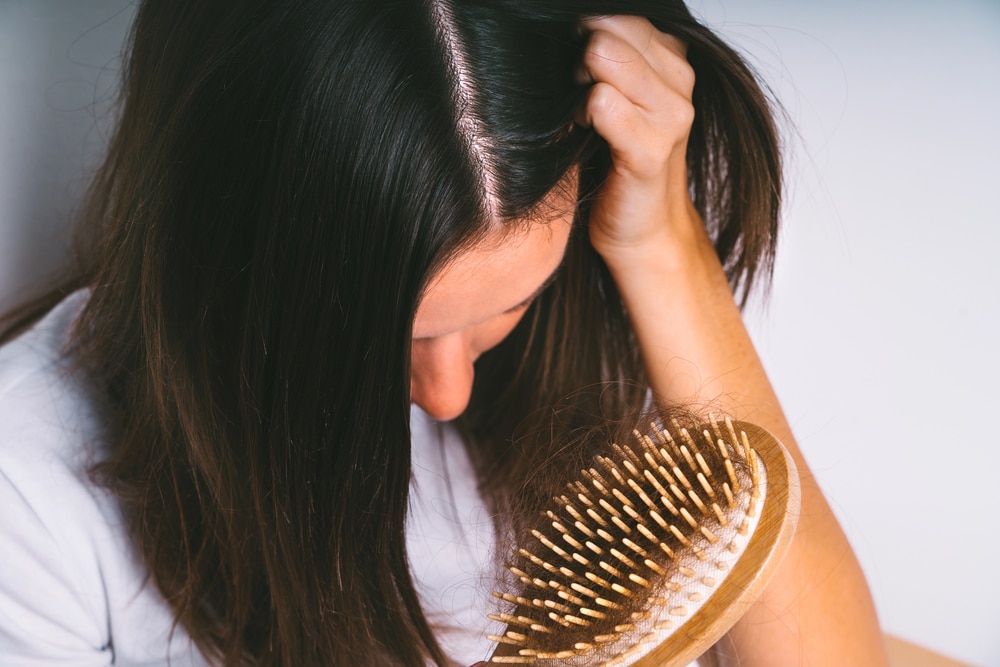
One of the most frequently reported changes during menopause is thinning hair. This thinning often occurs gradually rather than suddenly and may be most noticeable along the part line or at the crown of the head. Some individuals also experience increased shedding, which can make hair appear less full over time.
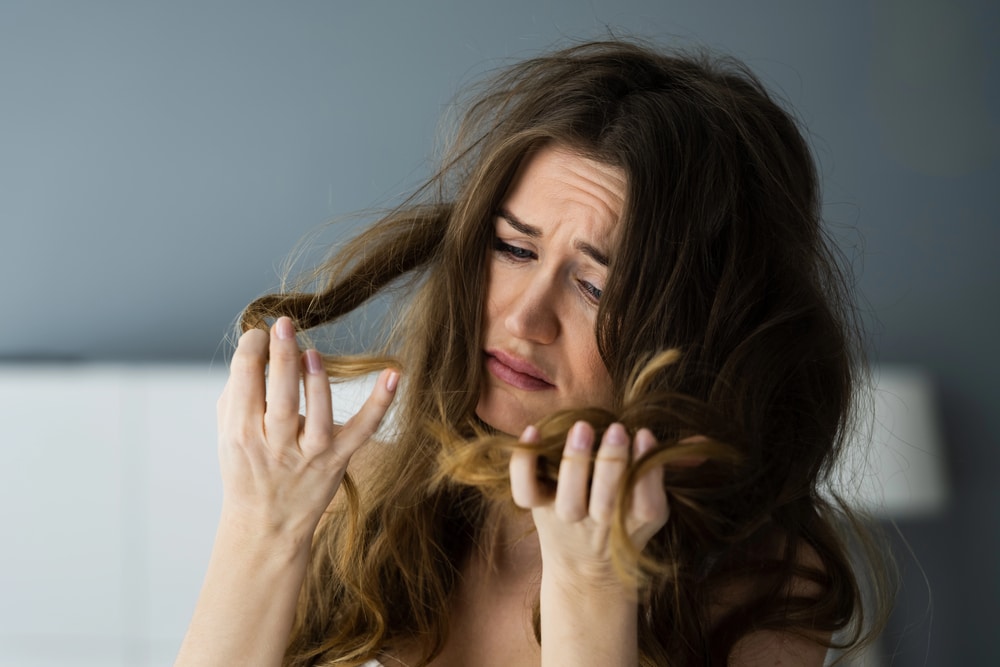
Changes in hair texture are also common. Hair may feel drier, coarser, or more brittle than before. Reduced oil production from the scalp, which can accompany hormonal changes, often contributes to this dryness. As a result, hair that was once easy to manage may require different care approaches during and after menopause.
Why Do Hair Changes Vary From Person to Person?
Not everyone experiences noticeable hair changes during menopause, and the degree of change can vary widely. Genetics plays a significant role in determining how hair responds to hormonal shifts. Family history can often provide clues about whether thinning or texture changes are likely to occur.
Lifestyle factors also influence hair health during menopause. Stress levels, sleep quality, and overall nutrition can affect the hair growth cycle. Also, existing hair conditions or previous hormonal changes may shape how hair responds during this stage. Because these factors interact differently for each individual, menopause-related hair changes are not uniform.
The Role of Aging Alongside Menopause
It is important to recognize that menopause-related hair changes often overlap with natural aging processes. As people age, hair follicles gradually produce thinner strands, and the overall growth rate may slow. These age-related changes can occur independently of menopause but may become more noticeable when combined with hormonal shifts.
Distinguishing between menopause-related changes and aging-related changes is not always straightforward. In many cases, they occur simultaneously, contributing to the perception that menopause alone is responsible. Understanding this overlap helps place hair changes in a broader context and reduces unnecessary concern.
How Does Scalp Health Influence Hair During Menopause?
Scalp health plays a crucial role in supporting hair growth at any stage of life, including menopause. Hormonal changes can affect scalp oil production, circulation, and sensitivity, all of which influence how hair follicles function. A dry or irritated scalp may contribute to breakage or shedding, even if hair growth patterns remain relatively stable.
Maintaining scalp health during menopause involves paying attention to changes in comfort and condition. Adjusting hair care routines to accommodate dryness or sensitivity can help support healthier-looking hair over time. While these adjustments do not reverse hormonal changes, they can influence how hair responds to them.
The Emotional Impact of Hair Changes
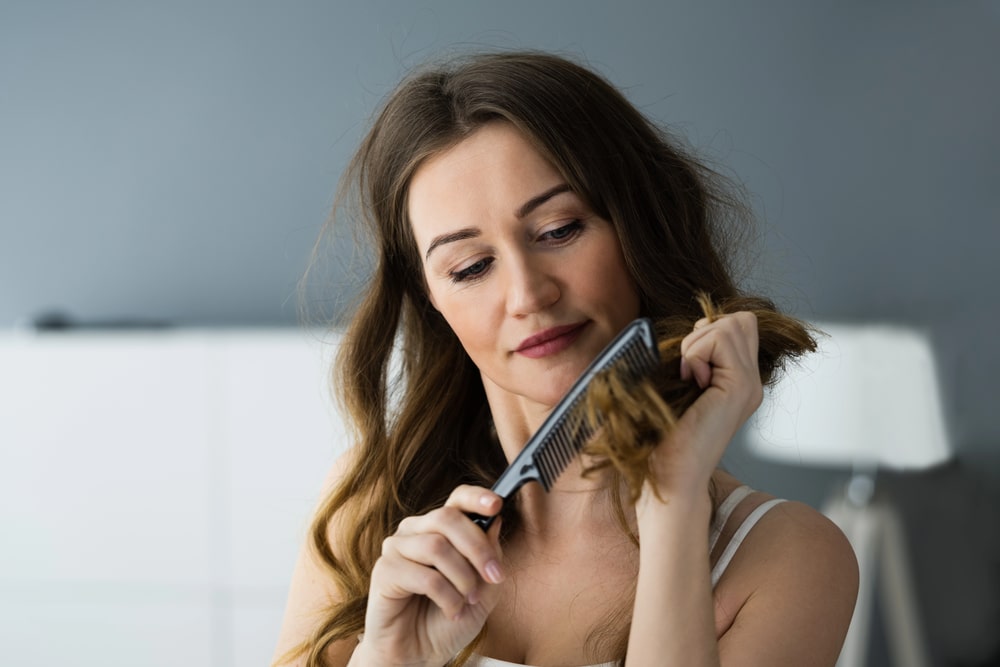
Hair changes during menopause can carry an emotional impact that extends beyond physical appearance. For many people, hair is closely tied to identity and self-expression. Noticing thinning or texture changes may affect confidence or increase self-consciousness, particularly when changes occur gradually and without a clear explanation.
Acknowledging the emotional aspect of these changes is an important part of menopause education. Understanding that hair changes are a common and natural response to hormonal shifts can help reduce frustration and encourage a more compassionate perspective.
Understanding Hair Changes as Part of the Menopause Transition
Menopause can affect hair growth, thickness, and texture through hormonal shifts and natural aging. While these changes may feel unexpected, they are a common part of the menopause transition and vary widely from person to person. By understanding how menopause affects hair and why experiences differ, it is easier to approach this stage of life with informed expectations and greater confidence in managing change.
Image Credit: depositphotos.com
