
Nature does not care about your calendar. Storms, heat waves, freezes, and wildfires can arrive fast and leave a long list of repairs. The good news is that most damage is predictable, and a lot of it is preventable with steady habits.
This guide to protecting your home from nature’s damage walks you through smart steps that lower risk and speed up recovery. You will learn how to inspect, reinforce, plan, and document. Keep it practical – small upgrades and clear checklists make a big difference.
Understand Your Local Risks
Start with a simple hazard profile for your home. List the top threats in your region, such as hail, hurricanes, straight-line wind, flood, wildfire, or freeze. Add notes about the age of your roof, windows, and doors, since older components often fail first.
Map these risks to parts of the house. Roofs face hail and wind. Windows and doors face wind pressure and debris. Basements and first floors face flood and sewer backup. Garages face wind and water entry.
Check your site conditions. Trees over the roof, poor grading, clogged gutters, and loose fencing turn routine weather into costly damage. Walk the exterior after heavy rain to see where water collects.
Set a seasonal schedule. In spring and fall, clear gutters and downspouts. Before peak storm months, test sump pumps, inspect roof edges, and trim branches away from the structure.
Inspect Roofs, Windows, And Doors After Storms
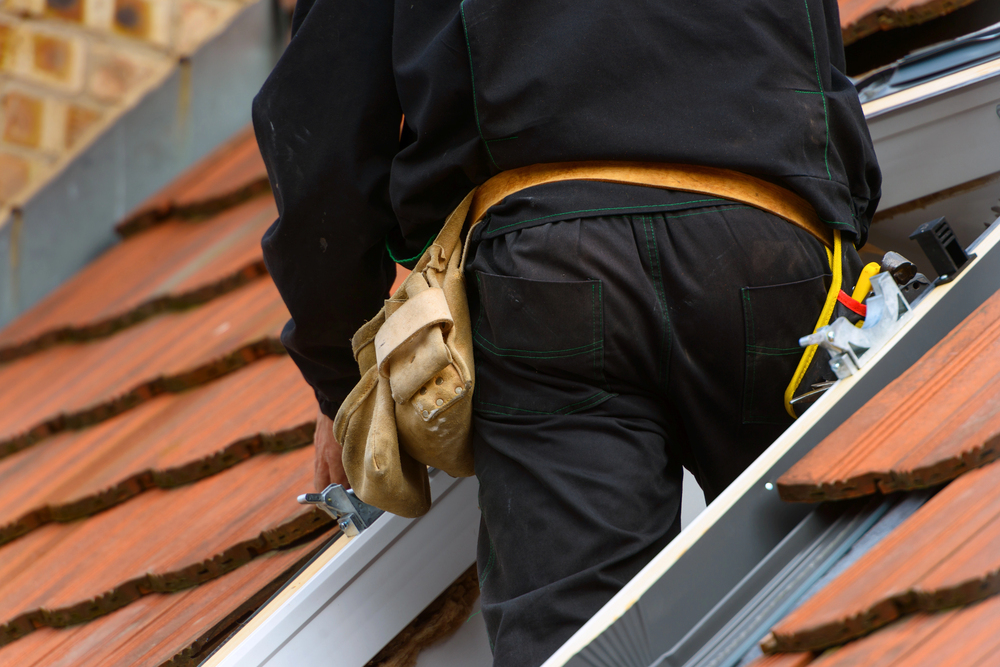
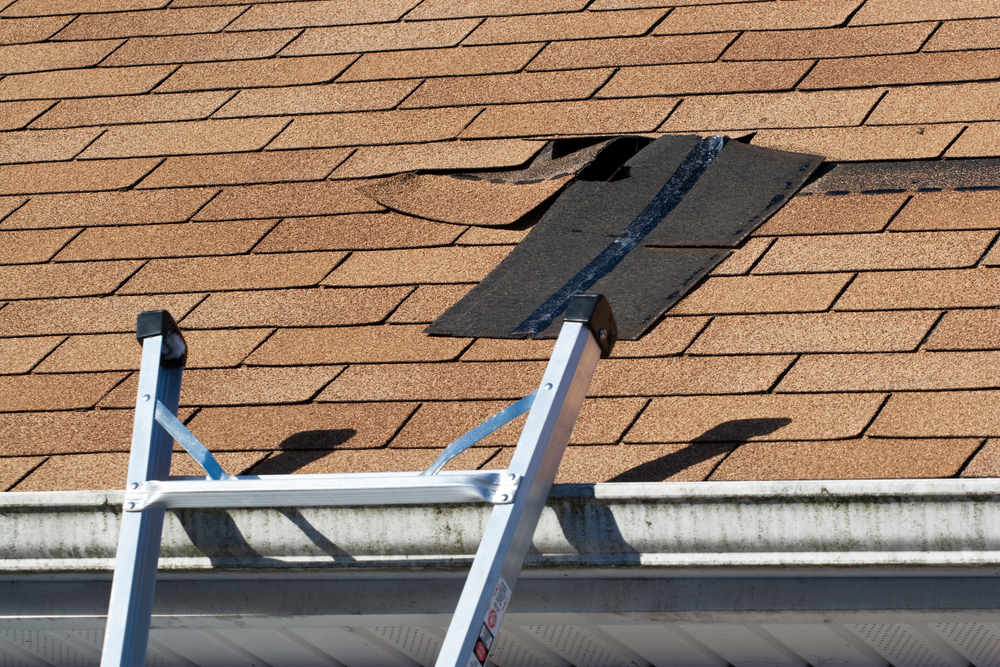
After any severe storm, start with a ground-level sweep. Look for missing shingles, bent drip edges, loose flashing, cracked sealant, and granules piled in gutters or at downspout outlets.
Start with safety gear. If you notice cracked glass or dented frames, start assessing hail damage and consider having a professional confirm whether your openings need repair or replacement, then document everything with time-stamped photos. Keep a simple log with dates, spots, and quick notes.
Check the attic from the access hatch. Look for damp insulation, dark stains, or sunlight at roof penetrations. Use a flashlight and mark problem areas with painter’s tape so you can find them later.
Call a pro if you see structural sagging, widespread shingle loss, or water dripping inside. Avoid walking on the roof unless you are trained and it is safe. Temporary covers help, but a proper repair stops repeat leaks.
Reinforce The Roof And Exterior
Upgrade weak links before the next storm. Impact-rated shingles, thicker roof decking, and sealed roof decks reduce water entry when shingles are bruised or blown. Pay special attention to eaves, ridges, and valleys.
An engineering review shared through an industry report in 2024 found that high counts of smaller hail can still harm panels and shingles, not just big stones. That means quantity matters, not only size, so dense hail swarms deserve serious attention.
Under the surface, better underlayments and ring-shank nails improve hold. At the edges, starter strips and metal drip edges keep the wind from peeling layers back. Ask your contractor to verify nail length and spacing.
Harden the openings. Use impact-rated windows and doors where storms are common. Add protection like shutters or panels you can deploy fast. Quality weatherstripping and proper flashing cut water intrusion.
Prepare For Wind And Water
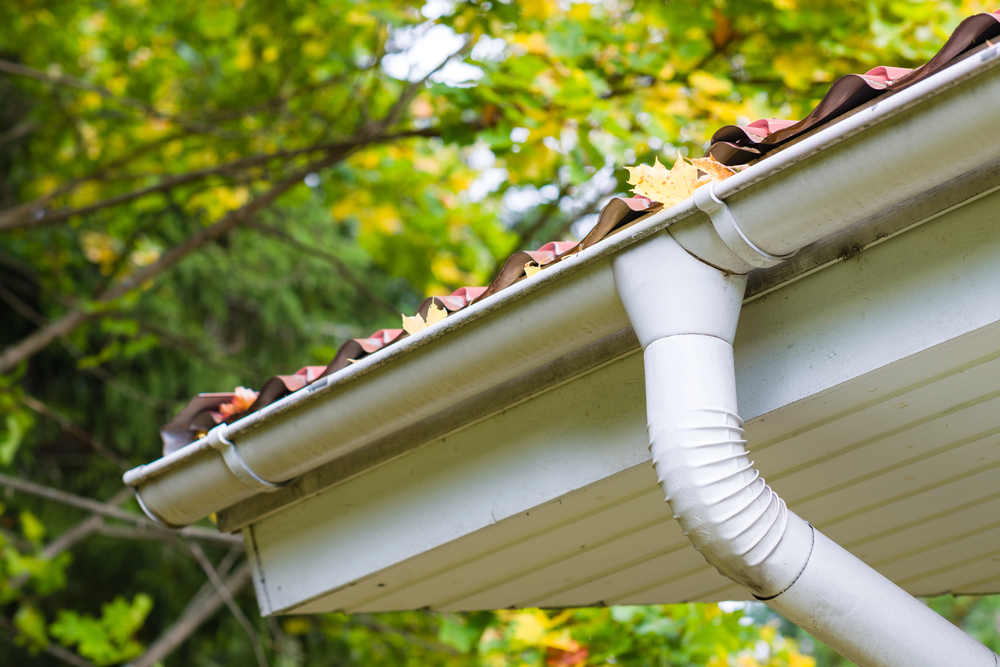
Control water first. Clean gutters and extend downspouts at least 5 to 10 feet from the foundation. Regrade the soil so it slopes away from the house. Seal foundation cracks and check that window wells drain.
Block wind-driven rain. Caulk around penetrations, replace worn door sweeps, and secure loose siding and soffits. Make sure dryer vents and attic vents have proper covers that still allow airflow.
Build a basic storm kit you can grab fast:
- 3 days of water and shelf-stable food for each person
- Flashlights, batteries, and a portable phone charger
- First-aid kit and needed medications
- Copies of IDs and insurance info in a sealed bag
- Work gloves, safety glasses, and a pry bar
- Plastic sheeting, tarps, and duct tape
Plan for safe power. Test generators outdoors only, never in a garage. Install carbon monoxide alarms on each level. Keep fuel stored safely and rotated on schedule.
Build An Emergency And After-Event Checklist
A clear checklist saves time when stress is high. Keep two versions – one on your phone and one printed. Share it with everyone in the home so each person knows their job.
Use a simple timeline:
- Before: charge devices, clear drains, secure outdoor items, and park cars under cover if safe.
- During: stay inside, keep doors and windows shut, and avoid opening the fridge if power is out.
- After: take photos, stop active leaks, cover broken glass, and call your insurer if there is damage.
Assign roles. One person handles utilities and shutoffs. Another person documents damage. A third contacts contractors and the insurer. Kids can help gather kits and pets.
Store copies of key contacts. Include your insurer, a licensed roofer, a window and door contractor, a water mitigation firm, and local non-emergency lines. Keep receipts for all materials and repairs.
Insurance, Documentation, And Deductibles
Know your policy details. Many homeowners have a separate wind or hail deductible. That number shapes repair choices, so review it before storm season and ask your agent to explain limits and exclusions.
Industry data from a major insurer in 2024 reported billions paid for home and vehicle hail repairs, which shows how common and costly these claims can be. That scale also means claim volumes spike after big outbreaks, so prompt notice helps.
Document like a pro. Take wide shots to show context, then close-ups of each issue. Add a ruler or coin for size. Save photos in a labeled folder so you can share them fast.
Act quickly but carefully. Make temporary repairs to prevent more damage, and save all receipts. Do not toss damaged materials until the adjuster has seen them or given written approval.
Schedule Pro Inspections And Timely Repairs
Set a routine inspection after major hail or at least once a year. A trained eye can spot bruised shingles, fractured mats, and loosened fasteners. Windows and doors may look fine from the street, but still have seal or frame damage.
An industry news report in 2025 noted that even sub-severe hail can reduce a roof cover’s ability to stand up to later large hail, which is a strong reason not to delay fixes. Early repairs help the next storm bounce off instead of breaking through.
Choose qualified contractors. Verify licenses and insurance, ask for written scopes, and check references. Favor materials with tested impact ratings and clear warranties.
Build a maintenance cadence. Clean gutters each season, recheck caulk lines, and touch up paint on wood trim. Small steps add up, and they cost less than emergency tear-offs.
Plan For Recovery And Long-Term Upgrades
Think beyond the patch. If a roof is near the end of its life, a full replacement with impact-rated materials can lower future losses. Combine this with attic ventilation and proper intake to keep shingles within safe temperature ranges.
Set a 3-year upgrade plan with priorities and a budget. Focus on roof edges, openings, and water control first. Add surge protection and lightning safety where storms are frequent.
When rebuilding, design for the next storm, not the last one. Stronger attachments, better sealants, and protected vents limit entry points. Choose materials that are easy to dry and clean if they get wet.
Keep learning from each event. Update your checklist, improve storage, and refine your photo documentation routine. Resilience grows one small fix at a time.
Good preparation does not remove all risk, but it shrinks the damage window. With steady inspections, smart upgrades, and complete records, you can protect your home, save time, and recover faster when nature tests your plan.
Image Credit: depositphotos.com
