In a busy family household, everyday routines need to be efficient, reliable, and gentle enough to suit everyone. Hair care is one of those daily moments that can either add stress or bring a sense of calm, depending on the tools and habits involved. Choosing a hair dryer is therefore not just a beauty decision, but a practical choice that supports family life, especially when mornings are rushed and evenings are short.
Hair care as part of family rhythm
For parents and children alike, hair care is woven into the structure of the day. School mornings, work schedules, after-school activities, and bedtime routines all rely on small efficiencies that keep the household running smoothly. Drying hair quickly helps avoid damp hair under coats, reduces discomfort during colder months, and prevents last-minute delays before leaving the house. When hair care fits naturally into the family rhythm, it becomes a supportive habit rather than a daily challenge.
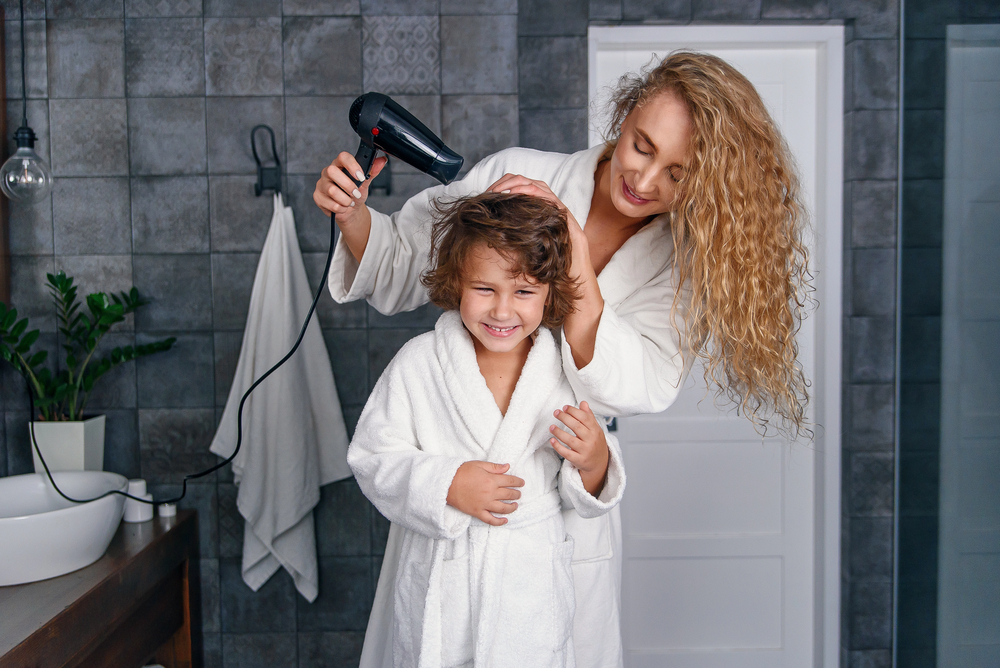
At the same time, children’s hair often requires a more delicate approach. Fine textures and sensitive scalps benefit from routines that feel comfortable and non-invasive. Establishing gentle habits early helps children feel at ease with grooming and reduces resistance, turning hair care into a normal, stress-free part of the day.

Balancing efficiency, comfort, and care
In a household where one tool may be used several times a day, efficiency must go hand in hand with comfort. Hair that is washed frequently due to sports, outdoor play, or active lifestyles needs to be dried in a way that preserves softness and shine. Controlled heat and thoughtful airflow support healthier hair over time, especially when drying is a regular necessity rather than an occasional step.
Comfort also matters for the person using the hair dryer. Parents often dry their own hair and their children’s, sometimes in quick succession. A hair dryer that feels manageable and intuitive helps avoid fatigue and frustration. When hair care feels easy, it becomes simpler to maintain consistency without rushing or skipping steps.
One household, many hair types
One of the realities of family life is variety. Straight, wavy, curly, thick, or fine hair can all exist under the same roof, each with different needs. A flexible approach allows everyone to care for their hair without multiplying tools or routines. Adjusting techniques based on texture and length helps preserve natural movement while keeping hair manageable throughout the day.
As children grow older, hair care becomes part of their independence. Learning to dry and manage their own hair builds confidence and responsibility. Simple, adaptable tools encourage this autonomy while still supporting hair health, making grooming a positive learning experience rather than a source of stress.
Hair care as wellbeing, not just appearance
Beyond practicality, hair routines can play a role in family wellbeing. Evening hair care often marks the transition from busy days to calmer nights. Washing and drying hair before bedtime can become a soothing ritual that helps children relax and signals that the day is winding down.
Feeling comfortable with one’s appearance also contributes to confidence at any age. When hair feels healthy and easy to manage, it removes one small worry from the day. For parents, this means fewer daily concerns. For children, it supports self-esteem and comfort in social environments like school or activities.
Long-term thinking for everyday family choices

Conclusion: a practical tool that supports family balance
In family life, the most valuable household tools are those that quietly support daily balance. A hair dryer is not just about styling or appearance. It helps manage time, supports healthier hair habits, and fits into routines that involve both adults and children. By combining efficiency with care, it becomes part of a thoughtful household approach where small, practical choices contribute to comfort, confidence, and smoother everyday life.
Image Credit: depositphotos.com
